

























































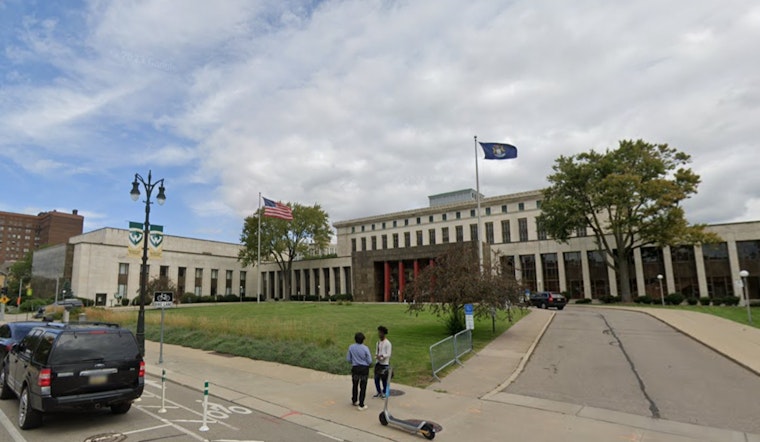
Wayne State University in Detroit is back to normal operations today after a three-day span of remote activities due to a student protest on campus. The university initially moved classes online on May 28 in response to a pro-Palestinian encampment erected near the school's library, reported ClickOnDetroit. The protesters had settled in to pressure the university for divestment from Israel and companies involved with Israel's military action in Gaza.
While Wayne State classes resumed in-person on May 31, the previous day saw the university's administration clear the encampment, resulting in the arrest of at least 13 individuals on charges ranging from trespassing to assaulting a police officer, according, to QC News. The demonstrations were part of a broader movement, with similar encampments having sprung up at universities across the U.S. and Europe as students demand school leadership to cut ties with Israeli entities.
In the face of the protests, President Kimberly Andrews Espy referred to the encampment as a "trespass" that posed health and safety risks and disrupted campus life. Espy stated, “No individual or group is permitted to claim campus property for their own use and deny others access to that property,” as reported by QC News. Despite the firm stance by university officials, the protestors held out until the encampment was forcibly removed by the university.
Attempts to reach a peaceful resolution appeared to fall short, while school officials maintained that they made "many good-faith efforts" to end the stand-off differently, as per statements obtained by ClickOnDetroit. The movement even attracted the attention of U.S. Rep. Rashida Tlaib, a Michigan Democrat, who offered her support to protestors after the encampment was dismantled. "We're going to stand our ground because we believe in human rights. And it's not controversial to say we do not want to invest in war," a protestor told hoodline.
The sweeping protest against Israeli-linked investments is part of a wave of campus activism, which has seen various levels of response from institutions. At the University of Michigan, a similar encampment was dispersed after 30 days with no apparent agreement, while other universities like Brown have entered into negotiations with students. This movement reflects a growing tension and debate over university endowments and investment policies related to global conflict zones.





