

























































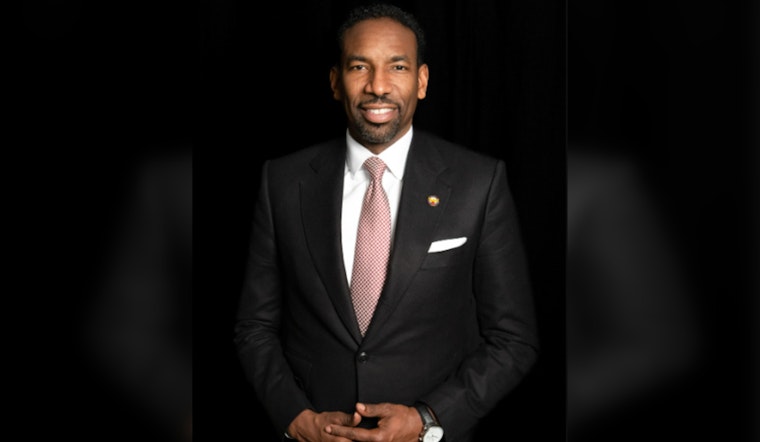
Atlanta's financial blueprint for the coming year has set a new precedent with Mayor Andre Dickens' FY25 $2.75 billion budget proposal getting the green light from the City Council without a hitch. The ambitious fiscal plan, detailed in a statement by the City of Atlanta, earmarks $853.8 million for the General Fund, while Enterprise Funds receive a hefty $1.5 billion and Other Funds are allocated $352.5 million. These figures signify an attempt to not just meet the basic needs but to propel the city into a future of abundant opportunities.
"This budget shows our commitment to significant investments in our community and in our employees as we continue toward our collective mission of making Atlanta a City of Opportunity for All,” Mayor Dickens expressed in a statement on City of Atlanta official website. The underlying strategy is ambitious, yet considers the projected slight contraction in inflation-adjusted GDP alongside an estimated inflation rate lingering around 2.5% per year. Atlanta is no stranger to big moves, and this unanimous nod from the council underscores a shared vision for the city's trajectory.
Reinvestment in people is clear with an injection of $24.3 million into employee welfare. This move signals City Hall's recognition of how crucial a content and skilled workforce is for the scaffolding of any thriving metropolis. Additionally, public safety is granted an uptick in resources, receiving a $29.8 million boost aimed at improving equipment and technology, enhancing security across Atlanta.
Addressing the dire housing needs, the budget allots $17 million for Affordable Housing Trust Fund, aiming to ensure more Atlantans have a roof overhead within the bounds of financial feasibility. In an effort to combat the urban plight of food deserts, $6 million is being channeled towards establishing local groceries and ameliorating fresh food distribution—a move that reflects the sentiment in these budget allocations are more than numbers; they are stepping stones for community revitalization.
Infrastructure doesn't fall by the wayside, with $30 million dedicated to upgrading the city's skeleton, including critical developments like the construction of two new fire stations. The fiscal plan doesn't just look at today but also gauges the future, prioritizing the youth with substantial funding for programs designed to nurture the city's future leaders.
Firm in the stance that a fair day's work deserves a fair day's pay, Atlanta sets the example by upping the city employees' minimum wage to $17.50 an hour. Clearly, the city is not just looking to maintain its current standing, but to advance it, creating an environment where all residents can tap into the vibrant potential Atlanta is known for.





