

























































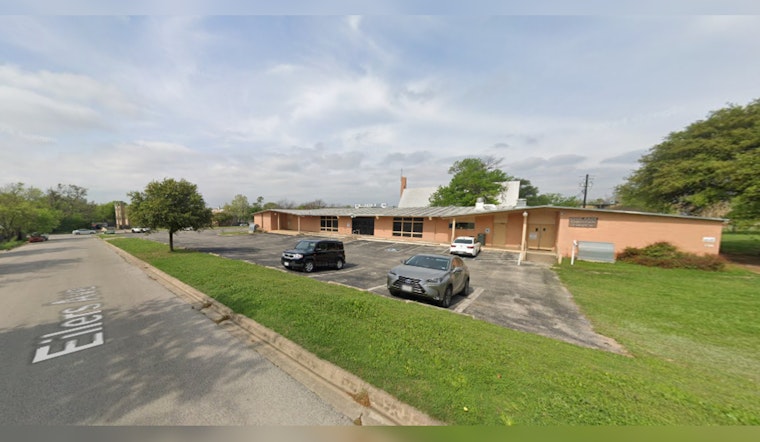
In Texas, where mental health services often resemble an overcrowded lifeboat, innovative programs are providing a lifeline to those teetering on the edge. One such beacon of hope is Austin Clubhouse, a vocational rehabilitation haven offering a fresh lease on life to individuals like Jonathan Denhart, who battled bipolar and substance use disorders for over four decades. "I like what I see when I look in the mirror now," Denhart proudly told the Texas Tribune. Now sober for a year-plus, he stands testament to the significant impact of the program.
Texas, grappling with an acute shortage of mental health professionals, remains a challenging environment for those discharged from hospitals. A mere fraction of the overwhelming need is being met, with reported numbers suggesting that in fiscal year ending August 2023, only 23 individuals transitioned out of state hospitals through the Texas State Hospital Step-Down program. In stark contrast, clubhouse programs like Austin Clubhouse have for years facilitated smoother transitions for those struggling with mental illness.
Jennifer Cardenas, executive director of Austin Clubhouse, noted that awareness remains one of their biggest hurdles. "I think the main problem we deal with is that most people don’t know we are even here," Cardenas said according to the Texas Tribune. These programs tackle not just the symptoms but the stigmas, offering members job opportunities, community engagement, and the crucial sense that they are, indeed, more than their diagnoses.
The story of Abdul Majid Badini accents the struggle many face beyond the confines of clinical settings. Escaping political strife only to spiral into the grips of alcoholism, Badini found himself paralyzed by addiction until the lifeline of Austin Clubhouse came into view. "I started to hallucinate and was paranoid. I thought I was being controlled by the KGB. I was mentally sick, and when I wasn’t drinking, I felt pain all over my body," he recalled in the Texas Tribune interview. Today, nearly 100 days sober and employed at an Austin Goodwill, Badini embraces a future once obscured by despair.
The clubhouse doesn't just whisper of transformation; it echoes it through every member's resurgence. Rebekah Johnson-Carson, diagnosed with schizophrenia as a teenager, found within Austin Clubhouse the companionship and belonging absent from her school days. Last year, her affiliation propelled her to graduate with a recreational therapy degree. The clubhouse, she shares, bolstered not just her education but her very spirit. "Sometimes, when you are going through a hard time when you can’t see the light at the end of the tunnel, all you need is someone to get you through the tunnel, not point out the light," Johnson-Carson conveyed to the Texas Tribune.




