

























































On Monday, the Austin Public Safety Commission made a unified call for the City Council to ramp up its public safety budget for the coming fiscal year. This comes as departments across the board expressed concerns over unfunded needs – a sentiment echoed by their respective unions seeking financial reinforcement. The Austin Monitor detailed the commissioners' unanimous vote in favor of boosting funding to better serve Austin's burgeoning population, which demands more extensive and varied public services, from firefighting to emergency medical response, to law enforcement.
The Police Department, represented by Assistant Chief James Mason, is eyeing a budget of about $490 million, marking a 2.7 percent hike from the current allocation. Mason outlined significant drivers of this increase including, personnel costs and initiatives to meet unfunded priorities. According to statements he made during the commission’s meeting, these priorities encompass vital additions such as 16 new 911 call takers, 10 dispatchers, and other specialized staff required to comply with legal mandates such as Senate Bill 111. The department's projected budgetary requests also mention a half-a-million-dollar marketing drive aimed at beefing up recruitment efforts.
Issues do not only rest with funding for personnel. Austin Police Association's president, Michael Bullock, criticized the city for its spending on infrastructure like electric charging stations, that currently, do not even serve electric vehicles within the department's fleet. This, he pointed out during a dialogue with Commissioner Pierre Nguyen, as disclosed in The Austin Monitor. Bullock underscored the inefficiencies and potential for cost-savings, should the department opt for external fleet services over the city's own Fleet Mobility Services Department.
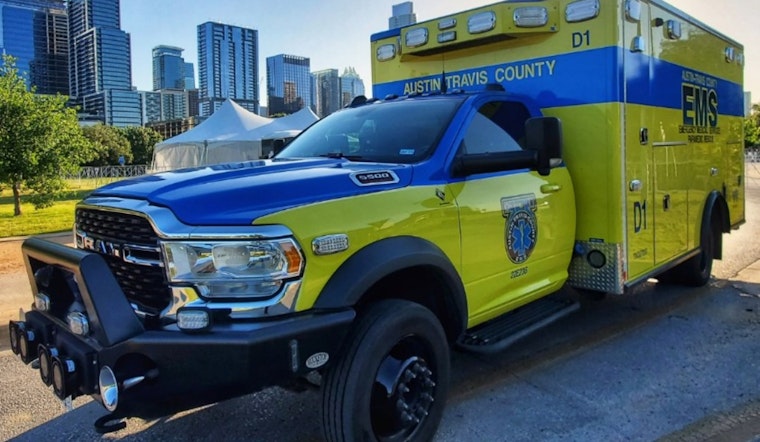
The city's EMS is also under financial strain, with Assistant Director Carlos Ledesma quantifying their unmet needs at $8.6 million. The funding would enable the EMS to roll out enhanced support services, including new life support vehicles and a command unit dedicated to downtown Austin. Selena Xie, president of the Austin-Travis County EMS Association, highlighted the implications of funding lapses by recounting South by-Southwest incidents where EMS's constant presence downtown, alongside the police, proved crucial. Xie's anecdote stresses the need for sustained, rather than ad-hoc, emergency service deployments. She pointed to the pilot project on Rainey Street that prevented potentially fatal incidents, yet had to conclude due to a paucity of continuing funds, as relayed by The Austin Monitor.
Fire department needs are not far behind, with Assistant Director Ronnelle Paulsen enumerating requests including personnel to support shift commanders and to chase national accreditation – a mark of excellence the department hasn't seen since 2002. Paulsen succinctly put the need for aerial trucks and additional firefighters into numbers – a cool $1.9 million – as reported by The Austin Monitor. Bob Nicks, president of the Austin Firefighters Association, echoed the call for adequate funding, cautioning against budget reductions that would further stretch the department’s already thin resources.
The Public Safety Commission's actions don't only highlight the resource constraints faced by emergency services. Indeed, they also reflect a broader appeal for community investment, with organizations like Equity Action and the Austin Justice Coalition petitioning for more substantial support for crisis responses and mental health provisions. The lack of 24-hour mental health counselors in the city has struck a chord with the public, as groups point to the apparent gap in essential municipal services. The only commissioner to abstain from the resolution, Paul Hermesmeyer, nonetheless laid bare the degree of support for community-led budget initiatives in the council's final fiscal layout.




