

























































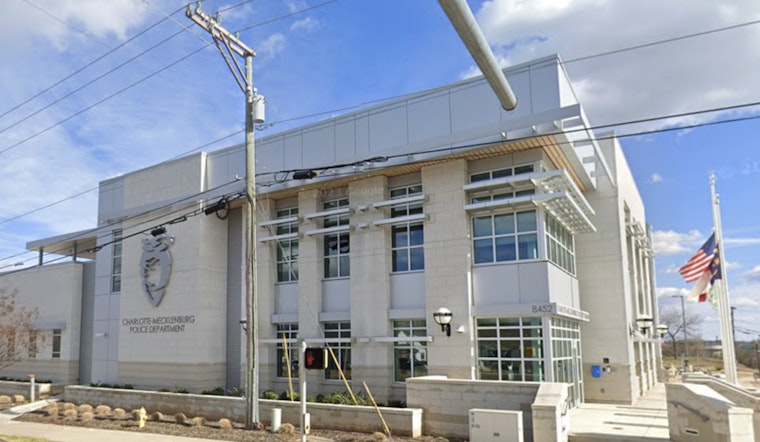
In the wake of a tragic confrontation in Charlotte on April 29 that left four law-enforcement officers dead, a Mecklenburg County judge has quashed the media's attempts to obtain and publish body camera footage of the incident. According to WBTV, the presiding judge ruled against releasing the contentious footage, a perspective supported by Charlotte-Mecklenburg Police Chief Johnny Jennings, who stated on X, "There is no compelling public interest to release this footage."
I commend Judge Strickland’s decision to deny the release of the body-worn camera footage from the deadly attack on law enforcement officers on April 29, 2024. As I’ve said all along, there is no compelling public interest to release this footage. On behalf of CMPD, I want to…
— Chief Jennings (@cmpdchief) June 20, 2024
Attending an emotional court hearing on June 4, about 200 officers and the widows of two officers slain in the confrontation sought to influence the court's decision, firmly standing against the public disclosure of the videos. As reported by The Charlotte Observer, their argument was that making such distressing material public would only serve to retraumatize those affected, without a genuine demand from the community for its disclosure.
A multitude of news organizations had rallied for the release of the videos under the premise that such a move would foster a greater level of transparency and accountability within law enforcement practices. This collective push has been documented by sources like WUNC, which highlighted how media petitions argued for the public’s right to assess the incident independently.
At the heart of the fateful April encounter was an attempt by a U.S. marshals task force to serve felony warrants to Terry Hughes. During the attempted arrest, Hughes reportedly fired upon the officers with an AR-15 rifle. While the deliberations over the release of the bodycam footage continue, several voices, including police and family members of the fallen, have impassioned the conversation. "It would further traumatize victims and isn’t something the public is demanding to see," stated opponents to the release, as family members and fellow officers, reeling from loss, besieged the courtroom steps, detailed by The Charlotte Observer.
As debates around the intricacies of law enforcement transparency persist, this denial of the media's request to release body-worn camera footage has underscored the tension between public interest and the privacy of those directly impacted by the violence of April 29. Chief Jennings' position, that the footage's release does not serve the public's collective concern, mirrors a broader dialogue about the accessibility of such evidence and its role in our understanding of and response to incidents involving law enforcement.





