

























































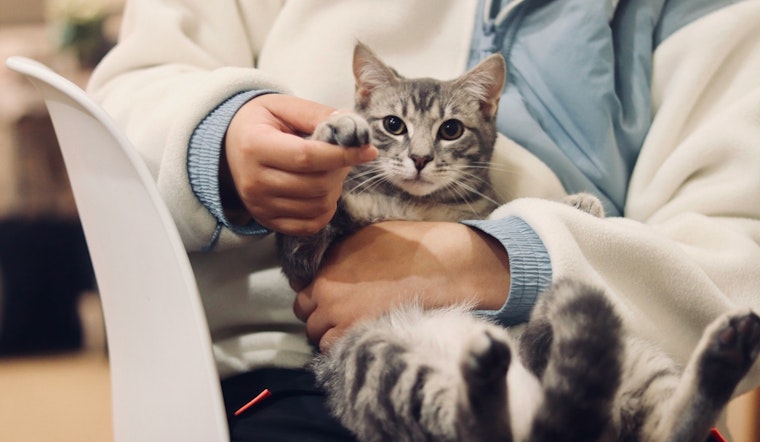
In a compassionate outreach effort, veterinarians from across the United States descended upon Austin to extend a helping hand—or rather, a healing touch—to the pets of the city's unhoused residents. The American Veterinary Medical Association (AVMA), coinciding with its annual convention, partnered with the Street Dog Coalition to offer no-cost vet exams, vaccines, and other vital services for those who frequently go without, KVUE reports.
These clinics, which were filled with the spirit of volunteerism and community support, offered more than just medical care. In addition to health checks and vital vaccinations, pets were treated to grooming services, while their owners received essential supplies and care kits to help manage their day-to-day lives. According to CBS Austin, the initiative also saw the unveiling of an RV donated by ElleVet Sciences which is set to expand the reach of these commendable efforts with rural and community health outreach.
Among the volunteers, Dr. Hilary Wheeler, the national medical director for the Street Dog Coalition, emphasized the profound significance of the event. "The gratitude really is overwhelming and just people being felt that they are seen, and heard, and loved, and we try to approach everything from a place of unconditional love and no judgment," Dr. Wheeler told CBS Austin. This ethos shines through in the detailed planning and execution of the clinic, ensuring that those less fortunate receive the care they need for their beloved companions.
Corporations such as Hill’s Pet Nutrition and Merck Animal Health contributed by supplying pet food and preventatives. These contributions underscored a broader acknowledgment of the companionship and solace pets provide to those facing homelessness. Wheeler highlighted the cascade of benefits stemming from the care provided: "It really is life-changing for so many peoples," she expressed to CBS Austin. For instance, vaccinations are often a prerequisite for shelter access for pet owners—a detail that underscores the life-altering nature of such seemingly simple acts of care.
Demonstrating a sustainable approach, pet parents left the event with not only healthier animals but also with knowledge of when the next check-ups were due, as KVUE notes. These initiatives affirm a community's ability to support its most vulnerable members, acknowledging the profound bond between humans and their pets—a bond that does not falter, even in the face of adversity.




