

























































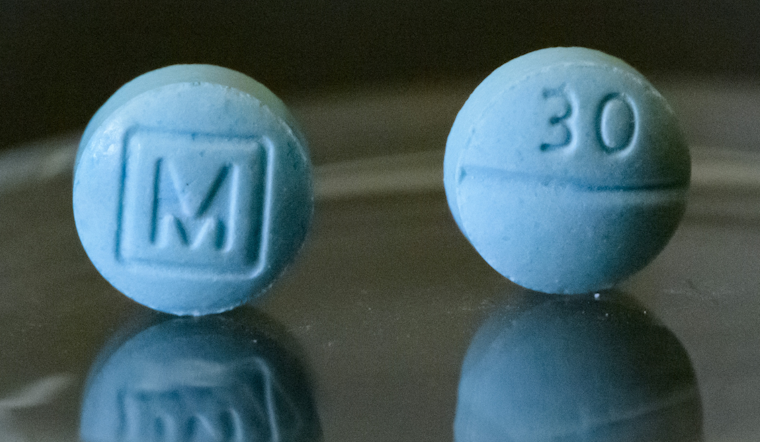
Washington D.C. has witnessed an admission of guilt that cuts through the noise of the city's hustle—a significant plea in a high-stakes fentanyl distribution conspiracy involving hundreds of thousands of doses, with Columbian Thomas, a 26-year-old district resident, at the center of the storm. According to the U.S. Department of Justice, Thomas, known on the streets as "Cruddy Murda", entered into a guilty plea on May 30 for conspiring to distribute 400 grams or more of the potent synthetic opioid.
Thomas, ensnared by the law's long arm after the tragic passing of Washington D.C. woman Diamond Lynch—who succumbed to a lethal dose of a fentanyl-laced pill—participated in a drug trafficking ring that extended from Southern California to various points across the nation, including the heart of the District itself. This ring delivered counterfeit oxycodone pills disguised in luggage or shipped via commercial mail carriers. The deadly facade of these pills, belied by the fentanyl within them, remained unknown until it was too late for some. This perilous drug trade, casting a shadow upon our streets, has culminated in the seizure of an overwhelming 450,000 fentanyl pills, along with firearms and other narcotics, by law enforcement agencies working in concert to dismantle its reach.
The joint forces—comprising the DEA, Metropolitan Police Department, ATF, and an extended family of federal officers and local sheriffs—found their way to Thomas's door, where they discovered not just the sinister blue M-30 counterfeit pills but also a loaded Glock 21 Gen4, modified into an illegal automatic weapon. The case against Thomas and his cohorts has been crafted by Assistant U.S. Attorneys Matthew W. Kinskey, Solomon S. Eppel, and Iris McCranie from the Violence Reduction and Trafficking Offenses Section, with a web of support spanning from numerous U.S. Attorney’s Offices across states to the Federal Bureau of Investigation’s Washington Field Office.
As Thomas awaits his October 22 sentencing, he faces the iron hand of the judicial system, with the possibility of a life sentence looming—a reflection of the grave weight the fentanyl tragedy carries. According to statutes set by Congress, he faces a mandatory minimum sentence of ten years imprisonment. The judge's gavel has yet to fall and set the final note on Thomas's role in a conspiracy that left an indelible mark on the community and serves as a grim reminder of the ongoing battle against the opioid crisis.





-4.webp?w=160&h=400&fit=crop&crop=edges)