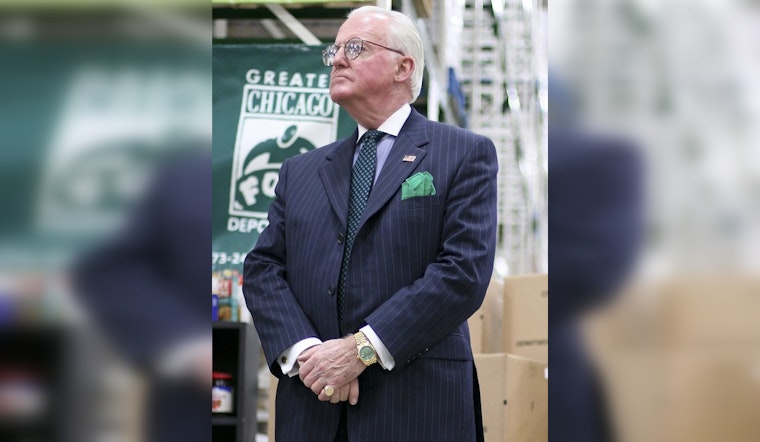
In a latest turn of the high-stakes legal battles that continue to stir Chicago's political scene, former Ald. Edward Burke and his defense team are moving to overturn his December conviction for corruption, with his attorneys set to present their arguments in person. Six months after a jury found Burke guilty of racketeering conspiracy among other charges, his lawyers are preparing to argue for a new trial on some counts and acquittal on others before U.S. District Judge Virginia Kendall, reports the Chicago Tribune. With sentencing slated for June 24, it remains to be seen how these attempts to challenge the jury’s verdict will unfold.
Highlighting the extent of Burke’s efforts to fend off legal consequences, filings with the Illinois State Board of Elections unveiled that the ex-alderman spent more than $3.8 million in campaign funds on legal fees leading up to his conviction, all while his defense aimed at disassembling the charges and wrestling with the incriminating evidence brought forth during the landmark trial that exposed the underbelly of Chicago's political machine and now, Burke readying to be sentenced, and his defense team making a bid for his exoneration, such costs only begin to scratch the surface of a political career as seasoned and financially cushioned as his, WTTW News reports.
Despite the conviction and the potentially imminent loss of his pension once sentenced, Burke’s campaign coffers still hold an ample safety net for appeals, housing approximately $8 million, a testament to the financial acumen and political longevity that marked his half-century tenure. With legal costs amounting to $3 million between July 2019 and March 2022 as per WTTW News, the specter of conviction has done little to deplete Burke's war chest.
Burke's attorneys are seeking to reverse a conviction regarding allegations he tried to extort the Field Museum by securing employment for his goddaughter, claiming "no rational jury" could interpret his actions as a genuine extortive effort, basing their case on intricate legal nuances that have prompted rare in-person proceedings to allow for a dynamic discourse that might sway judicial perspectives, as the Chicago Tribune noted. The prosecution maintains that the evidence against Burke demonstrates a clear abuse of his office, a view supported by the jury's conviction on the racketeering charge which encapsulated a pattern of corrupt activities, the details of which prominently featured in the six-week trial that included secret recordings and numerous witnesses testifying to Burke's misuse of his significant political power.
As legal battles continue and both sides sharpen their arguments for the eyes and ears of the court, one thing remains clear—the story of Ed Burke continues to be one of unfolding consequences, its chapters written in court dockets and financial disclosures, its implications echoing beyond the halls of Chicago's City Council to the very foundations of public trust in governance.