

























































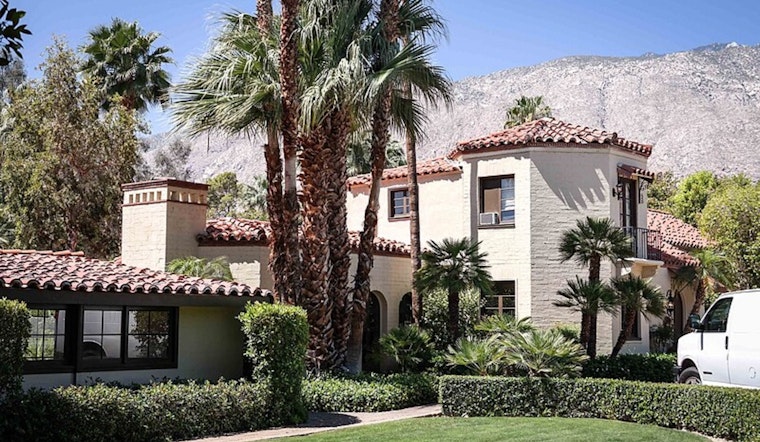
The battle over Marilyn Monroe's former abode in Brentwood took a decisive turn when the Los Angeles City Council prepared to immortalize the starlet's residence as an historic cultural monument. This decision is the culmination of a heated struggle, pitting city preservationists against property owners Brinah Milstein and her husband, producer Roy Bank, who had decidedly less starry-eyed plans for the plot at 12305 5th Helena Drive.
Having purchased the property last July for a cool $8.35 million, Milstein and Bank obtained a permit to bring the historic home to the ground, with aspirations to expand their royal estate next door. Following this, Los Angeles City Councilwoman Traci Park, hailing from the 11th District, which sheltered the Monroe home, stepped in. Park launched a counter-motion, as reported by ABC7, halting the demolition permit issuance and championing the estate's cultural significance.
What ensued could be depicted as a legal tussle of cinematic proportions. Milstein and Bank sued the city, seeking to prevent the property from gaining monument status. They argued that not only was the city overstepping its legal bounds, but that a lack of preliminary injunction would result in "irreparable harm." Their narrative didn't hold up in court, with Judge James C. Chalfant tentatively ruling in the city's favor, a move he described, according to CBS News, as an "ill-disguised motion to win so that they can demolish the home and eliminate the historic cultural monument issue."
The Brentwood home, which echoes the bygone glamour of Hollywood's quintessential bombshell, is now set to join the pantheon of protected sites. Milstein and Bank's aversion to this landmark designation, having claimed the legacy of Monroe was insufficient to warrant such an action, particularly when pitched against their personal property plans. Yet the Cultural Heritage Commission and the Planning and Land Use Management Committee cast their votes and tipped the scales towards preservation.





