

























































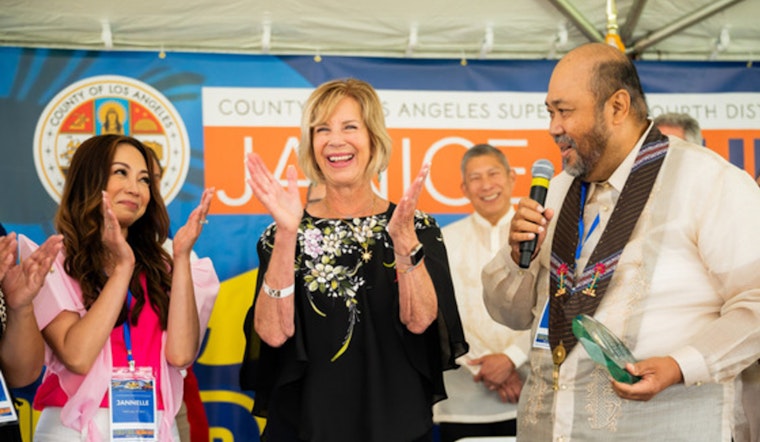
In a move embracing cultural diversity and recognition, the Los Angeles County Board of Supervisors has officially designated June 12 as "Philippine Independence Day"—honoring the contributions and heritage of its Filipino-American residents. According to an announcement revealed by Los Angeles County, Supervisor Janice Hahn, backed by Supervisor Hilda L. Solis, led the board in making the proclamation, putting it thus, "The Board of Supervisors recognizes the importance of this day to Filipino residents in Los Angeles County and the contributions made by Filipino employees who are a vital part of our County workforce and continually dedicate themselves to serving our communities."
Los Angeles County, renowned for its vast Asian American population—the highest in the U.S.—is home to over 340,000 Filipino Americans, a community rich in history and influence, and the new holiday is a tribute to that lasting imprint, Supervisor Hahn didn't forget to cite their "invaluable contributions to our County family," in keeping with the civic spirit, Hahn is also orchestrating the 3rd Annual Philippine-American Friendship Day Festival at Don Knabe Park in Cerritos on July 13th which will feature a kaleidoscope of music, performances, and gastronomic delights reflective of Filipino culture.
Hilda L. Solis, representative of the First District, emphasized the significance of the proclamation and the historic and ongoing achievements of the Filipino community in a statement, "We need to both honor the historical struggle and sacrifice required to secure that freedom and celebrate the incredible economic and cultural contributions our Filipino brothers and sisters are making right now every day that are strengthening the diverse fabric of our County.." Declaring their independence from Spain on June 12, 1899, after three centuries, Filipinos then faced American annexation, until at last achieving full sovereignty on July 4, 1946.
By recognizing June 12 as Philippine Independence Day, Los Angeles County not only commemorates the historical feat against colonialism but also shines a light on the countless Filipinos shaping the metropolis we know today—and in doing so, we open another chapter in our narrative of multicultural acknowledgment and celebration. And in a city as multifaceted as Los Angeles, embracing our past is as much a nod to our collective history as it is a gaze into our shared future, a reality woven into the rich tapestry represented across the millions of stories etched into the heart of Los Angeles, the county bends toward respect and inclusiveness with this gesture of solidarity.



