

























































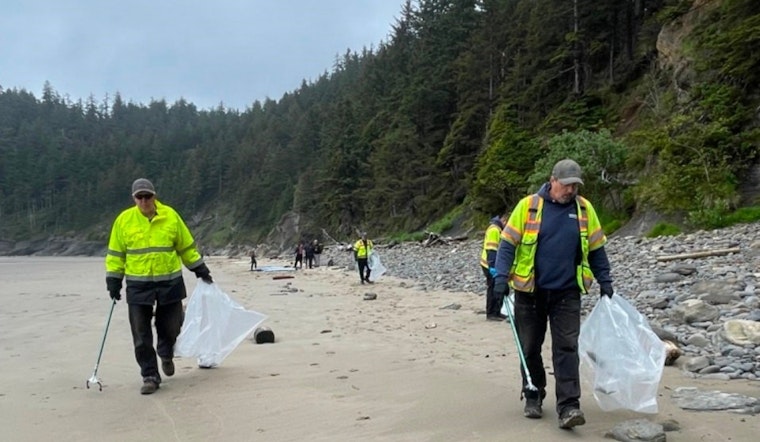
After weeks of concerted efforts by various agencies and organizations, the Unified Command announced that Oregon and southern Washington coasts are mostly freed from tar balls and the unfortunate side effects of oiled wildlife. The successful cleanup operation comes as a relief to local communities and environmentalists alike.
Coast Guard Cmdr. Bonnie Stewart, representing the Unified Command, expressed gratitude for the swift response. "The coordinated efforts of multiple agencies and organizations have been instrumental in addressing this environmental issue swiftly and effectively," Stewart said, according to an official update from the Oregon Department of Environmental Quality. Teams took advantage of low tides to scour the coasts after storms, ensuring no further spread of the oil.
A residual risk remains, however, as traces of oily material could persist in some spots. The Unified Command cautions the public against handling any tar balls they might find. Instead, sightings of tar balls, oiled birds, or other wildlife should be reported to designated hotlines—1-800-424-8802 for tar balls and 1-800-22-BIRDS for wildlife. These numbers connecting concerned citizens to professionals are critical to preventing harm to both humans and the environment.
In the aftermath, nearly 2,000 pounds of oily debris has been collected, the cleanup spanning more than 300 miles surveyed, with 36 miles needing thorough cleaning. A substantial operation, with 113 individuals from 14 agencies, rolled up their sleeves to restore the cherished coastal areas. Among these bodies were the U.S. Coast Guard, the Oregon Department of Environmental Quality, and the Washington Department of Ecology, which collectively tackled the laborious task of cleaning up almost a ton of debris.
Moving forward, the source of the oil spill remains under investigation. Initial lab tests have confirmed the substance is petroleum-based, matching oil products, but it's yet to be seen where exactly it came from. Until then, the Unified Command extends its gratitude to everyone, from federal agencies to local tribes, for their dedication over the past 20 days. For more information, you can read the complete cleanup status update on the Oregon Department of Environmental Quality's website.





