

























































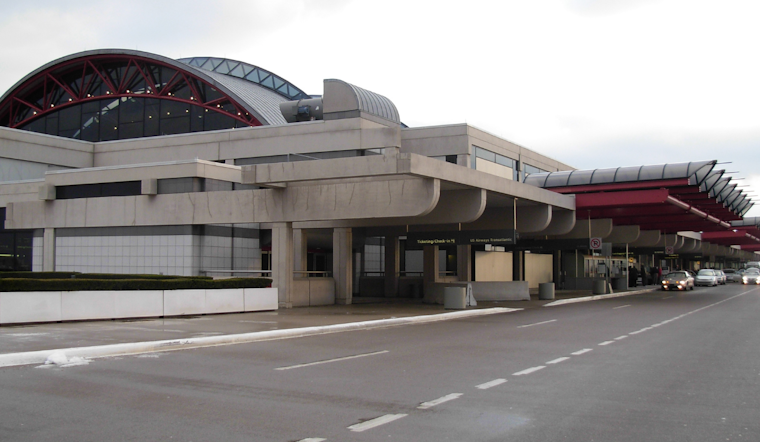
Travelers planning to fly out of Pittsburgh International Airport early in the morning this July should prepare for changes that will affect security checkpoint procedures. As reported by CBS Pittsburgh, starting on July 8, the alternate checkpoint will be designated exclusively for TSA PreCheck passengers from 4 a.m. to 7 a.m., Monday through Friday. Those flying out at these times are advised to arrive 2-3 hours before their flights, especially given the congestion typically observed between these early hours.
Aiming to manage the swell of early flyers more effectively, TSA's strategy hopes it will shorten queuing times. A spokesperson for the airport conveyed, as reported by CBS Pittsburgh, "We are aware that this busy summer travel season has resulted in longer TSA security lines than usual across the country." Considering the recent Saturday that saw TSA handle close to 3 million travelers nationwide—setting a single-day screening record in their 22-year history—the call for operational adjustments seems to be at a high volume.
The checkpoint revisions are a calculated response to not just the record-breaking passenger volumes TSA is seeing nationwide, but also the specific increase in the number of passengers during the early morning rush at Pittsburgh's airport. The PreCheck lanes at the main checkpoint will not be in operation during the 4 a.m. to 7 a.m. timespan; instead, PreCheck passengers will need to redirect to the alternate checkpoint. After the peak hours subside, PreCheck services at the main checkpoint will resume, remaining accessible until 8 p.m.
Passengers who are enrolled in the CLEAR program, providing an expedited security process of its kind, should continue using the main checkpoint, unaffected by the new allocation for PreCheck users. According to WTAE, nationwide, the TSA is bracing for more than 32 million passengers in the period between Thursday and the Monday following, which underscores the importance of TSA's proactive measures to ensure passenger flows remain as smooth as possible during this peak travel window.
Travelers are expected to see visible notices within the terminal about these changes, and airport and TSA officials are likely to be on hand to guide passengers to the correct checkpoints. With these adjustments, TSA and Pittsburgh International Airport aim to deliver both security and efficiency, reducing the friction of travel during the pressures of a high-demand summer travel season.





