

























































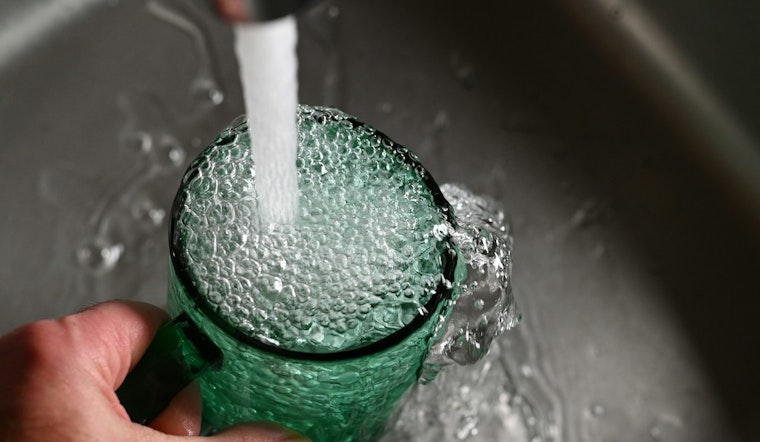
In Santa Paula, a community scrambled to adjust their daily routines after city officials announced a potential drinking water contamination. Following a break-in at the city's main reservoir, a “Do Not Drink” notice was issued to half of the city's residents and businesses. The City of Santa Paula cautioned against tap water use as personal items found at the scene raised concerns about water safety.
The safety measure came as a response to a trespassing incident reported at the city's water storage facility on Monday afternoon. According to KTLA, officials stated that “an unknown substance may have been added to the drinking water,” prompting the immediate shutdown of the affected tank. Although no contaminants were visibly detected in the reservoir, city authorities issued the advisory out of an overabundance of caution.
“Further investigation revealed clothing and personal items were left behind in the area near the reservoir,” detailed the City in a news release, hinting at the potential for unseen hazards. As a result, residents were told not to drink the water, nor attempt to treat it themselves. It was deemed safe for bathing, but not for brushing teeth, food preparation, or washing dishes. The City also set up a potable water distribution center at the Water Treatment Plant, encouraging residents to bring their own containers to collect water from 6 a.m. to 7 p.m. starting Tuesday.
Meanwhile, the Santa Paula Police Department and California Department of Water are collaborating to manage the incident, as indicated by a City release. The advisory is hoped to be a short-term precaution, with the required tests taking up to five days to conclude. During this period, the City ensure to offer up-to-date information on the status of their water supply and have provided an emergency contact number for the community.
To aid residents in navigating this water crisis, the City has supplied maps of the impacted zones and translated the public health advisory into both English and Spanish. Additional resources and updates on the water contamination issue can be found at vcemergency.com, or by contacting the provided emergency number. The California State Water Resources Control Board's website also remains a valuable reference for those seeking further information on water quality standards and health advisories.





