

























































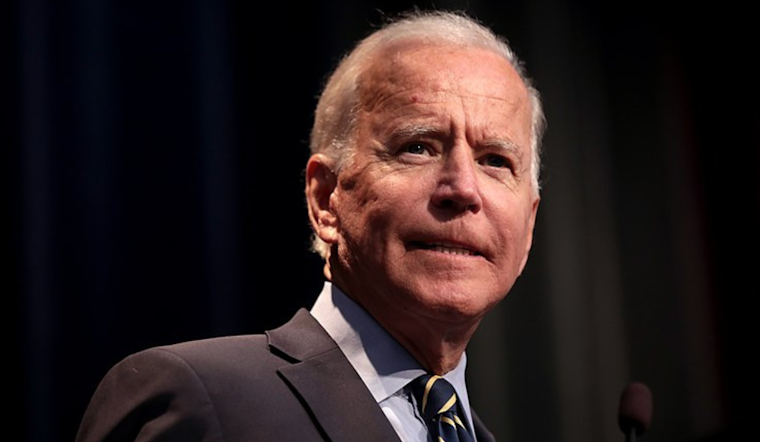
In a move aiming to tighten control over the US Southern border amidst high levels of migration, President Biden on Monday rolled out new executive actions, including a policy to bar migrants from seeking asylum if they cross into the country unlawfully, as reported by The White House. According to the official statement, these measures will take effect when the Southern border is overwhelmed and are designed to expedite the removal of individuals lacking legal grounds to remain in the United States.
These steps are part of a suite of strategies initiated by the Administration to confront an immigration system described as "broken" by President Biden, who also called on Congress for further action to bolster border security. With the defeat of a bipartisan immigration reform agreement in the Senate, President Biden's invocation of Immigration and Nationality Act sections 212(f) and 215(a) stands as a stopgap measure, even though, the proclamation will include humanitarian exemptions akin to those in the failed Senate deal for groups like unaccompanied children and victims of trafficking.
Alongside the asylum restrictions, the Department of Homeland Security (DHS) has initiated a proposal to improve the asylum screening process, targeting migrants who may present a safety or national security concern. Additionally, the Department of Justice (DOJ) and DHS have created a faster docket for certain immigration cases, as part of a broader goal to resolve them more swiftly. "Recent Arrivals" is an accelerated procedure that aims to quickly process cases of migrants who have entered the country between designated ports of entry.
Crackdowns on those exploiting the immigration surge are also in full swing, with visa restrictions recently imposed on individuals and entities profiting from illegal migrant passage, including Colombian transportation companies and Nicaraguan government officials who were selling transit visas. This step, focused on entities involved in unlawful immigration, was complemented by the withdrawal of visas for some heads of charter airlines who were linked to similar exploitation.
To further support these enforcement efforts, the DOJ has partnered with DHS to increase immigration-related prosecutions, including assigning additional prosecutors and support staff to key border districts. "The anti-smuggling rewards initiative" marks another collaborative front, with financial bounties offered for information leading to arrests or convictions within human smuggling networks. Both DOJ and DHS are intent on dismantling these operations that contribute not only to the complexity of border security but also exploit vulnerable individuals on treacherous journeys northward.
The Biden-Harris Administration's border enforcement surge is not limited to ground operations. The DHS has increased the frequency of repatriation flights, returning or removing over 750,000 people in the past year—a number not seen since the fiscal year 2010. On the drug front, the seizure of illicit fentanyl at ports of entry has similarly reached unprecedented levels, with efforts bolstered by the extradition of key figures allegedly involved in fentanyl trafficking from Mexico to the U.S., such as Nestor Isidro Perez Salaz.
While President Biden has taken these unilateral steps to beef up border security and overhaul immigration processing, the Administration continues to emphasize the need for Congress to legislate a more comprehensive fix. Without Congressional action, Biden asserts, there will be limits on the possible headway that can be made regarding strengthening America's border and immigration system.





.jpg)