

























































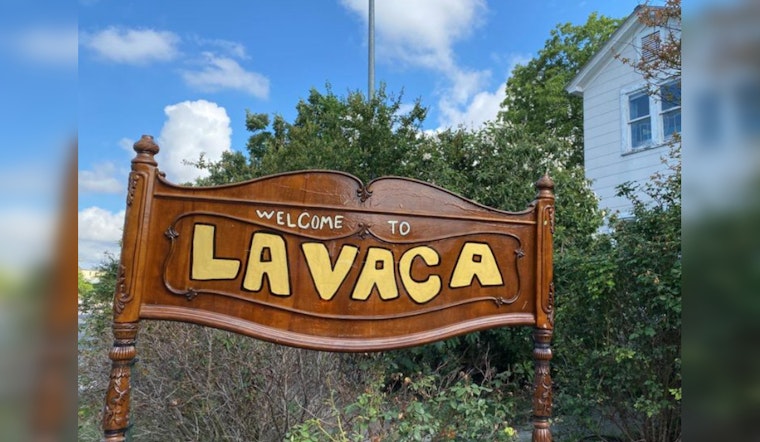
Community resistance is mounting in the historically rich Lavaca neighborhood, where plans to construct a 7,500-square-foot Fuel Time gas station have been disclosed, raising alarms over the project's compatibility with surrounding residential areas. Despite the property's commercial zoning, the proposed construction site at 418 Florida St. neighbors single-family homes and falls within a designated historic district, known for its quaint homes dating back to the late 1800s and early 1900s.
The president of the Lavaca Neighborhood Association, Melissa Stendahl, articulated their concerns, "That’s a residential zone, and a gas station is legal for that zone of the lot, but the surrounding area is not compatible with that," according to a San Antonio Report interview. Residents are not just opposing the gas station's proximity to their homes but are also pointing out potential safety risks and disruptions to quality of life, including increased noise and light pollution.
The Lavaca neighborhood, positioned directly south of Hemisfair and valued for its historic authenticity, has faced previous development challenges. Three years ago, resistance from residents halted the construction of a 7-Eleven store on the same site. The lot's current status showcases a Fuel Time sign, indicating imminent change and stirring community unrest once again. The property, owned by KEM, Texas Ltd and associated with Paul Covey of GrayStreet Partners, has recently been acquired by a group including Avaish Maknojia, who has confirmed plans to move forward with the gas station.
Local resident Hilda Juarez expressed her discontent, "The neighborhood does not need a gas station, as one already exists across the highway," as she recounted the meeting where Maknojia was nonreceptive to the community's input, as told in an interview with the San Antonio Report. Juarez and her neighbors are not just advocating for the preservation of their historic neighborhood but also the elevation of their daily living experience with amenities such as a grocer that stocks fresh produce, not just the "Hot Pockets" and "cold sandwiches" touted by the developers.
Despite the announcement, District 1 Councilwoman Sukh Kaur has addressed the situation with cautious optimism. "We have contacted the property owner to convey the neighborhood requests and concerns and have helped broker conversations," she indicated in a statement obtained by the San Antonio Report. The council, however, acknowledges its limited authority in this domain. As the community braces itself, yard signs speckle the neighborhood landscape, serving as silent yet powerful testimonials of the residents' collective dissent.





