

























































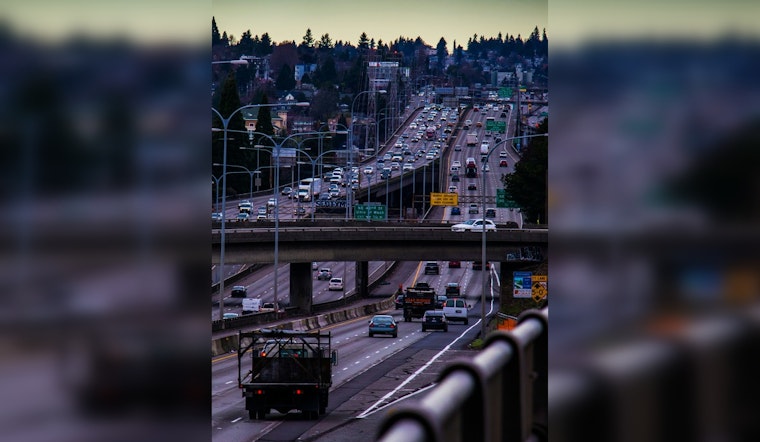
Seattle commuters have more to groan about, as a recent INRIX Global Traffic Scorecard ranks the city's traffic congestion as the 10th worst in the United States and the 27th worst in the world, this puts Seattle ahead of cities known for their clogged streets, such as Warsaw, Berlin, and Amsterdam; the study's findings were reported by FOX 13 Seattle. Comparatively, New York City suffers the most, both nationally and internationally, with cities like Mexico City, London, Paris, and Chicago rounding out the global top five for worst traffic congestion.
The Seattle metro area didn’t just make the list, but it also saw a notable increase in the time drivers spend idle on the roads, losing an average of 58 hours to traffic in 2023, an upsurge from 46 hours the previous year, while the national average sits at 42 hours, according to data from a study cited by KOMO News. This aggravation translates into almost an additional 1.5 work days spent in a car, and such increments in lost time are sharp contrasts to the desire for efficiency and productivity that characterizes life in the Pacific Northwest.
Moreover, Seattle's traffic woes worsened significantly more than any other US city in 2023, with drivers sitting in congestion 12 more hours on average than the year prior, marked as the most severe decline in traffic conditions across the nation by INRIX, reported by The Seattle Times. This dip in traffic flow also reflects the unique work routines that emerged post-COVID-19 with Seattle’s heavy-hitter tech industry leaning into remote and hybrid options, delaying a return to the physical workspace compared to other major urban areas.
What’s becoming clear is the shift in peak traffic patterns, no longer is the rush hour exclusive to early mornings and late afternoons, but now, more trips begin at noon than at 8 a.m., with Seattle adopting this midday rush hour with even greater fervor, a trend echoed in the INRIX study emphasizing how "Remote and Hybrid Work Shift Can't Curb Congestion," The Seattle Times reported. Given these ongoing patterns, Seattle drivers navigating peak times experienced 58 hours of delay last year, a stark rise from 46 hours in 2022, as these numbers suggest, the conventional commute might be a thing of the past, yet the bottleneck of Seattle's roadways is a current reality that continues to stall progress in its tracks.





