

























































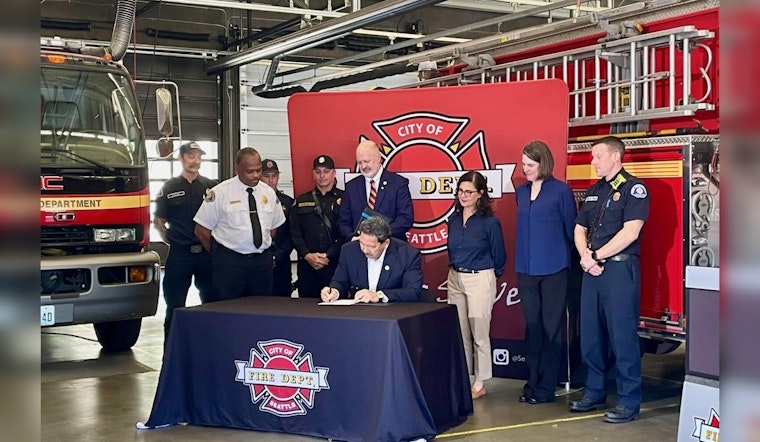
In a move addressing the increasing hazards of neglected buildings in Seattle, Mayor Bruce Harrell has inked a legislation focused on the expedited teardown and cleanup of hazardous vacant structures. The change operates under an emergency clause, indicating immediate action, and was unanimously backed by the City Council earlier this week, Mayor Harrell's office reported.
The legislation empowers the Seattle Fire Department (SFD) to order and conduct clearance or demolition of buildings classified as imminent threats. Stating the need for decisive measures, Mayor Harrell noted, "Unmaintained vacant buildings can pose real hazards to our first responders and the surrounding community from fires and trespassing, and we need every tool available to quickly abate and remediate these risks," as he emphasized the risks to communities bearing the brunt of racial and economic inequalities.
The legislation arrives in the wake of a fatal fire that tore through a vacant building in Ravenna on June 4, along with the record of increasing incidents over the past years. Vacant building fires surged from 77 in 2021 to 130 in 2023, with three fatalities in the latter year alone, as per official statements. This year has already seen 34 such fires, signaling a distressing trend that the city aims to contain.
Fire Chief Harold Scoggins highlighted the threat, explaining, "Derelict buildings are dangerous because they often have holes in floors, missing stairwells, structural instability and present other hazards. When left standing or unsecured, they can attract trespassers." These spaces not only draw in those seeking shelter but also pose varied threats to community safety, leading to increased demands on fire and emergency services.
With more than 40 vacant buildings marked by SFD, estimates show up to 10 could fall under the new ordinance annually. The costs for demolition and securement will vary widely but ultimately rest on the shoulders of the property owners. However, the City has the authority to perform necessary work and recover expenses via title liens in extreme scenarios. The reinforcement of regulation builds on Harrell's prior efforts to augment the security and handling of deserted buildings, giving authorities a more pertinent way to mitigate unforeseen risks and protect citizens.
The current list of 300 monitored vacant buildings by the Seattle Department of Construction and Inspection denotes around 100 identified as perilous by the Fire Department, mirroring the gravity of the task before the city and the critical nature of the new legislation. As the city grapples with these silent threats, the hope remains that such decisive policy actions will not only stifle the risks of today but also pave the path for a safer urban tomorrow.





