

























































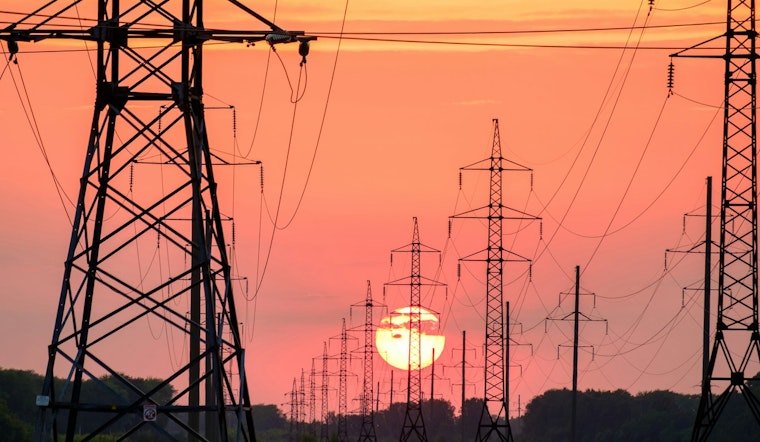
As the Texas heat begins its ascent toward high summer temperatures, the Public Utility Commission of Texas (PUC) and the Electricity Reliability Council of Texas (ERCOT) brace for increased energy demands, amid a potential shortfall in energy reserves that could lead to rolling blackouts. In a proactive step, Texas voters recently approved a five billion dollar loan program aimed at funding dispatchable energy investments, drawing an overwhelming $39 billion in project proposals from 125 companies seeking to bolster the state’s generation capacity by 55,908 megawatts, as explained in a CBS Austin report.
Last week's revelation by the PUC regarding the robust industry interest in the Texas Energy Fund signaled a possible shift towards more reliable energy sources like natural gas, which proponents argue could alleviate some of the grid’s reliability issues. Witnesses at a recent House committee meeting underscored an impending stress on the grid, with ERCOT's CEO, Pablo Vegas, citing an almost 50% predicted increase in peak demand by 2030 compared to last year’s estimates, according to CBS Austin. Despite the influx of proposed projects, experts are advising caution, recognizing the gap before these new initiatives could positively impact the grid's stability.
Meanwhile, ERCOT forecast in a report a concerning 12% to 16% chance of emergency power conditions in August, including potential rolling blackouts during peak demand times, especially in the evenings when solar input recedes. The report highlighted by Nexstar's KXAN surfaced amidst warnings from state climatologists about the elevated risk of extreme heat through the summer, further straining grid resources that are already bearing the weight of aging infrastructure.
The PUC has also signaled its intention to propose a new rule that would establish a reliability standard for the electrical grid to withstand these operational pressures; the details of which are anticipated to be discussed in a PUC open meeting on Thursday, aiming to formalize a standard of performance before the high-demand season fully unfolds, striving for a grid capable of meeting the energy needs of the state, as per the original reporting by CBS Austin. In anticipation, Texas lawmakers and leaders are rallying behind the Texas Energy Fund, viewing it as a mechanism to reinforce grid reliability by encouraging the construction and modernization of power plants well into the future.
The Texas Energy Fund, backed by both the fund's proponents and the surge of interest it has generated, is caught between immediate concerns and long-term energy strategies. While the fund represents a substantial step toward a more resilient grid, surges in demand and the specter of rolling blackouts loom over the state as it contends with aging energy infrastructure and prolonged maintenance periods that leave gaps in available resources, a challenge highlighted by Ed Hirs, an energy fellow with the University of Houston, in a report by KXAN.




