

























































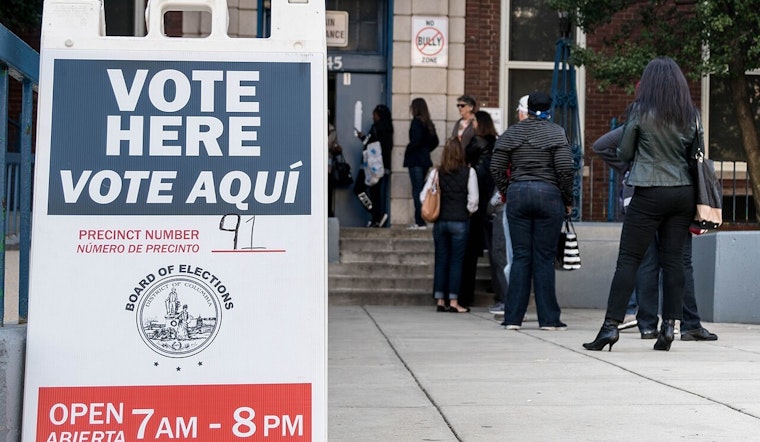
Conservatives in Texas are doubling down on an effort to roll back countywide polling places, despite warnings from election officials about potential high costs and confusion among voters. According to The Texas Tribune, state lawmakers are showing a growing interest in the proposal, which has also been highlighted as a priority by the state Republican party for the upcoming legislative session.
With the state's countywide voting system, currently in use across 96 counties, voters enjoy the flexibility to cast their votes at any polling place within their county. This convenience, touching the lives of roughly 14.9 million registered voters, could be stripped away, as quoted by The Texas Tribune, and hark back to the days when one's ballot could only be deposited at their assigned precinct. The looming changes could disenfranchise voters who end up at the wrong site and find themselves with a provisional ballot as their sole recourse—a ballot that carries no assurance of being counted.
Election officials are facing an uphill battle accommodating new legislative demands to increase the number of polling locations, early voting hours, and days. Compounding these challenges, concerns have been raised that by abandoning the countywide polling model, the demand for more equipment, locations, and poll workers would amplify, driving up costs significantly. Among these voices is Roxzine Stinson, the Lubbock County elections administrator, who told The Texas Tribune that removing countywide voting would mean spending an additional $300,000 at the very least.
The countywide approach was initiated as a response to the Help America Vote Act of 2002, which was crafted to improve voting technology and access in the tumultuous wake of the 2000 presidential election. This model has allowed counties to streamline their locations while extending the vote's reach. Critics, nonetheless, persist with unverified claims of rampant fraud and manipulated electronic voting equipment—claims these critics have yet to substantiate with evidence. Despite these allegations, officials insist on the absence of fraud in countywide voting, as per reports from The Texas Tribune.
The pushback on countywide voting is not just a Texas narrative but ripples across similar voting systems in 18 states, including Arizona, Arkansas, Indiana, and Tennessee. The model, praised for its accessibility and convenience, is facing scrutiny based on concerns that lack factual grounding. Election administrators, tasked with upholding the integrity and efficiency of the process, are now at a junction where political pressures contend with the logistical and financial realities of administering elections—a delicate balance that will shape the future of voting in Texas and beyond.





.jpg)