

























































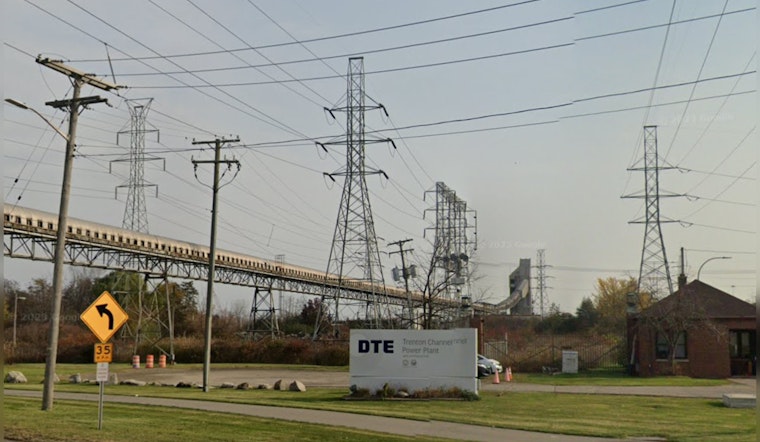
In a spectacle that drew local spectators and marked a significant shift towards renewable energy, the Trenton Channel Power Plant's boiler house in Trenton, Michigan, met its end through controlled demolition today. The demolition of the power plant, which began operations in 1924 and ceased in 2022, signals a profound change in energy production for the region, transitioning from coal-powered generation to a future of energy storage and renewable integration.
As noted by The Detroit News, the event exhibited what could be likened to "a thunderous explosion of firecrackers on steroids," leaving nothing but rubble where the nine-story structure once stood. Grosse Ile Township resident and onlooker Joe Diaz described the demolition as "absolutely amazing."
DTE officials expressed satisfaction with the demolition's execution. "I think it went fantastic, just as we had planned," DTE's senior vice president of project management organization, Renee Tomina, explained, highlighting that the operation unfolded without incident. The company had carefully orchestrated the process, utilizing a combination of suspension charges and dynamite to bring down the structure effectively, according to details from Tomina reported by The Detroit News.
The site is set for a significant overhaul, transitioning to a noteworthy energy storage project. "We're very excited to revitalize this location," Tomina told The Detroit News. Called the Trenton Channel Energy Center, the planned facility is set to become the largest energy storage project in the Great Lakes region with a capacity to store 220 megawatts, reportedly enough to supply around 40,000 homes. The current estimated project cost approaches $500 million.
DTE's initiative falls in line with Michigan's goals of enhancing grid resilience and increasing reliance on clean energy sources. The energy company has benefitted from the Inflation Reduction Act, with an infusion of approximately $140 million in tax incentives, as noted by FOX 2 Detroit. These developments come as part of the industry's broader shift toward sustainable energy practices and away from fossil fuels, a point underscored by the progressive changes taking place on the banks of the Detroit River.
Local community members are seemingly receptive to the changes. According to ClickOnDetroit, residents observed the old plant's transformation with a mix of nostalgia and anticipation for the new developments, evidencing the plant's deep ties to the area's history and its evolving identity. While demolition itself may create momentary disturbances, such as road closures and noise, the long-term benefits of a cleaner energy landscape appear to resonate with the community.




