

























































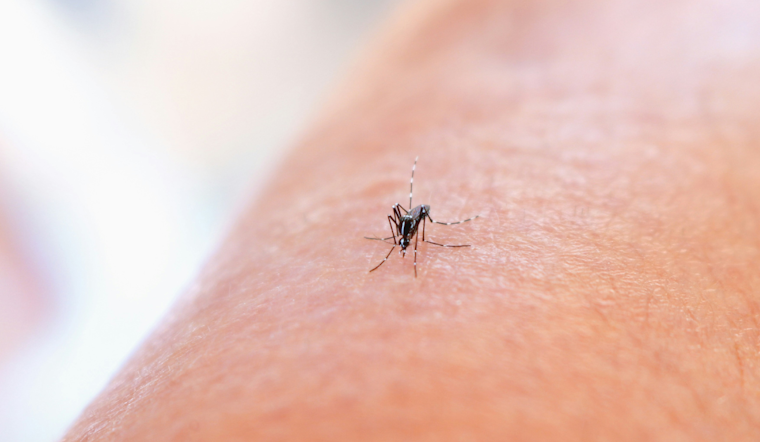
Buzzing with concern, Allegheny County has identified a new batch of mosquito samples that have tested positive for the West Nile Virus. The area's Health Department confirmed findings in neighborhoods including Brighton Heights, California-Kirkbride, Elliott, Sheraden, Esplen, and Marshall-Shadeland. To urgently address this, ACHD is set to quickly deploy the pesticide Zenevex E20, deemed low-risk by the EPA for humans and pets, to target the growing mosquito population in these communities, as reported by Allegheny County.
Treatment is scheduled for the evening hours of 8 to 11 pm on Wednesday, July 17, where crews will operate truck-mounted Ultra Low Volume (ULV) sprayers. Should the pesky rain intervene, the procedure is to automatically push to the next evening on July 18. This is an attempt to not just thoroughly limit the insects' numbers but to also significantly decrease the chances of West Nile Virus making its way to residents.
West Nile remains the preeminent mosquito-borne disease in the country, with human contraction occurring primarily through the bites of infected mosquitoes. The disease's threat persists from spring's onset well into the fall season. Alarmingly, the last human case in the area dates back to September of 2023, a stark reminder of the virus's insidious presence.
Potential symptoms range from fever to severe ailments, yet most bitten remain unfazed, completely unaware of their infection. "Generally, the species of mosquitoes that carry West Nile Virus are active from dusk to dawn," Nicholas Baldauf, ACHD Vector Control Specialist, wisely pointed out in remarks, as detailed by Allegheny County press release. To best combat exposure, he suggests residents properly apply insect repellent or simply dress in long sleeves and pants—simple but effective barriers against bites.
Preventive vaccines or specific treatments for West Nile are nonexistent, making proactive community action crucial. Baldauf further emphasizes the importance of vigilant mosquito control at the local level, with particular attention to potential breeding grounds like stagnant water around homes. Residents have a critical role to play by promptly reporting suspect areas, an action is easily done through either an online form or a direct line to ACHD's Housing and Community Environment Program.
For a deeper dive into West Nile Virus—its prevention, symptoms, and methods of transmission—the CDC remains a steadfast resource. Visit their West Nile Virus webpage for comprehensive, user-friendly information.





