

























































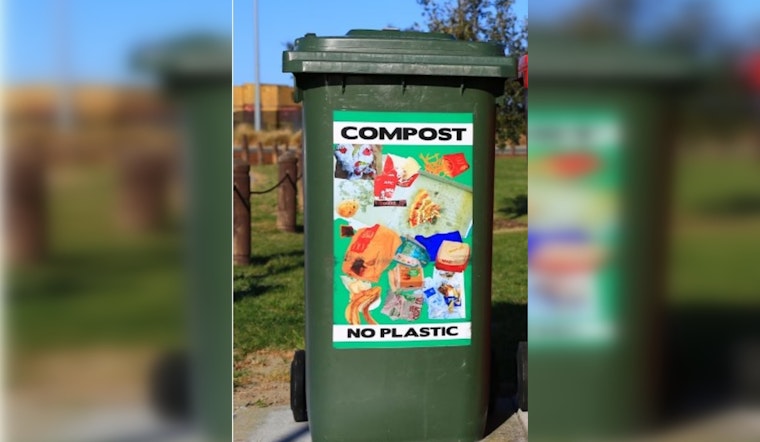
Turning kitchen scraps into garden gold is more than a trendy eco-friendly practice; it's a commitment to sustainability and a nod to the circle of life. But as with anything with multilayered benefits, composting requires mindfulness, especially when one's efforts might waft toward the person next door. The City of Apple Valley has outlined guidelines to ensure that the practice of composting respects both the environment and the neighbor's right to clean air.
Central to these guidelines is the use of containers to house organic waste materials. From eggshells and coffee grounds to lawn trimmings, a variety of usable waste has been given a second act in the backyard compost bin. To ensure a successful decomposition process, the city suggests a blend of materials, keeping the mixture damp and providing regular aeration, as detailed in a statement released by The Recycling Association of Minnesota.
Yet, with the summer heat as an aggravating factor, these decomposing agents can sometimes release more than just plant nutrients into the neighborhood. To combat unwanted odors, regulations state that "all compost containers should be located no closer than 5 feet to any property line and no closer than 20 feet to a side lot line when adjacent to a public right of way." Whether DIY or store-bought, these compost holders are not just vessels; they are barriers to potential strife stemming from stench.
Those with questions or concerns regarding composting aren't left to stew in uncertainty. Apple Valley's Code Enforcement is reachable at 952.953.2571, or via email at [email protected] for any inquiries or reports. Becoming a steward of the earth doesn't have to come at the expense of neighborly peace—so long as the compost bin stays its respectful distance.





