

























































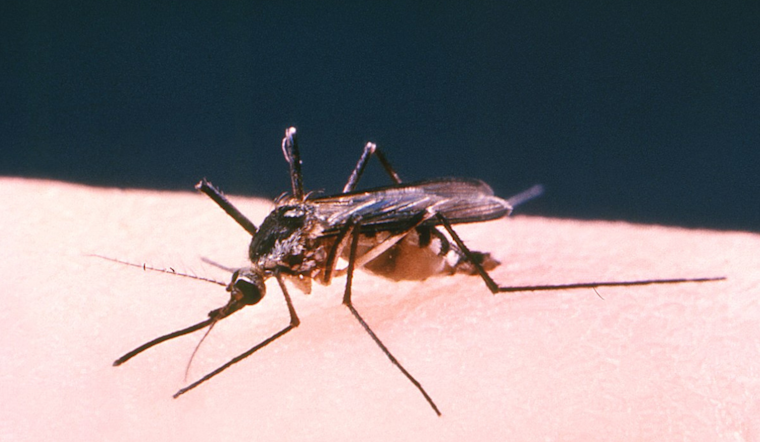
The City of Arlington is ramping up its fight against the pesky and potentially dangerous West Nile Virus (WNV) after detecting seven infected mosquito samples within its boundaries. The city's plans, following guidelines from the Centers for Disease Control and Prevention (CDC) and in partnership with Tarrant County Public Health, include targeted ground spraying in specific areas to slash the virus-spreading insect population. Concerned residents have been informed that the locations pinpointed for spraying encompass neighborhoods such as Caliente Drive and Forrest Edge Drive, among others.
Adding to the urgency, the neighboring Town of Pantego confirmed two positive WNV mosquito samples that also affect portions of Arlington. In response, officials have slated two consecutive nights of ground spraying between 9 p.m. and 5 a.m., specifically on Tuesday and Wednesday, July 16 and 17. Despite being weather-dependent, this intervention aims to urgently reduce the number of adult mosquitoes carrying the virus. The areas targeted for spraying have been selected based on the presence of the virus and the ineffectiveness of prior control measures such as larvicides.
The ground spraying will deploy an ultra-low volume of a water-based permethrin product, a choice made after the city’s comprehensive efforts in routine trapping and implementation of larvicides. Despite no significant risks to animals or the environment expected from the spraying, individuals with sensitivities, such as chemical sensitivities or respiratory issues like asthma are recommended to stay indoors during spraying times to minimize their exposure, according to the City of Arlington, Texas.
Meanwhile, Arlington continues to urge its denizens to take preventive measures against mosquito bites, such as wearing long sleeves and pants, using DEET-based repellents, and eliminating stagnant water to prevent breeding. These guidelines are available on the city’s website, alongside information on "mosquito dunks," a larvicide for water that can't be drained.





