

























































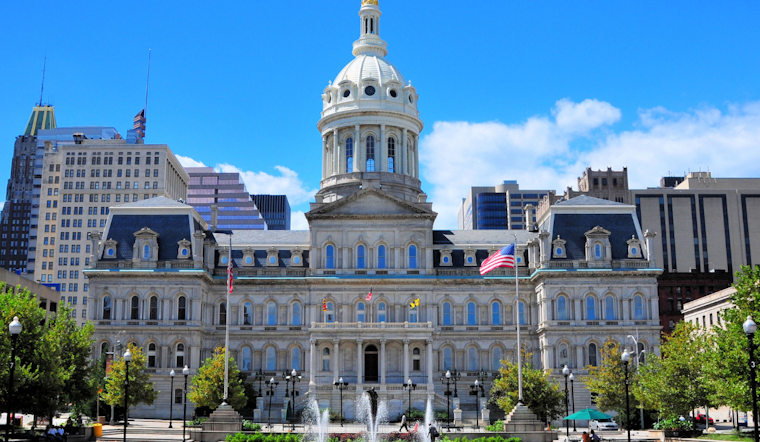
A popular measure seeking to lower property taxes in Baltimore has hit a wall, with the City Board of Elections rejecting the petition set to appear on the November ballot. The initiative, propelled by a group named Renew Baltimore, aimed to reduce the tax rate from 2.2% to just over 1%. Despite gathering over 23,000 signatures in support, the board dismissed the proposal on grounds of its incompatibility with the state tax code, as reported by Fox Baltimore.
The current legislation delegates the authority to change property tax rates solely to elected city officials, a provision the Board of Elections under Director Armstead Jones, underscored in its decision. "State law provides that the power to set a specific property tax rate in the counties and Baltimore City must remain with the County or City Council," Jones stated, as per WMAR2 News. This legal framework effectively sidelines the public's direct influence on such fiscal matters, irrespective of collective signatures or citizen-driven initiatives.
Reacting to the rejection, Renew Baltimore expressed their firm disagreement and intention to seek judicial intervention. "Renew Baltimore disagrees strongly with the decision made by the Election Director of the Baltimore City Board of Elections to disregard the will of over 23,000 Baltimore City residents who demand real change to Baltimore City's unfair property tax rate," the group stated after the board's pronouncement, as detailed by Fox Baltimore. They are pursuing a review of the decision in the Baltimore City Circuit Court.
The proponents of the measure, which includes former city officials and economists, argue that high property taxes are driving residents away from Baltimore. The plan advocated for a gradual reduction of the tax rate over seven years. However, Mayor Brandon Scott has criticized the proposal, labeling it "short-sighted and naive." According to Scott, "This proposal does not grapple with the financial reality of our city, or have a real understanding of the impact of our status as an independent city that does not receive a share of state sales tax – like most of our peer cities," he said, as reported by WMAR2 News.
As the debate over property taxes continues to unfold, the crux of the matter lies not only in economic policy but also in the interpretation of state laws that define who ultimately has the authority to impose these taxes. With Renew Baltimore set to challenge the Board’s decision in court, the saga over property tax rates in Baltimore is far from concluded.



