

























































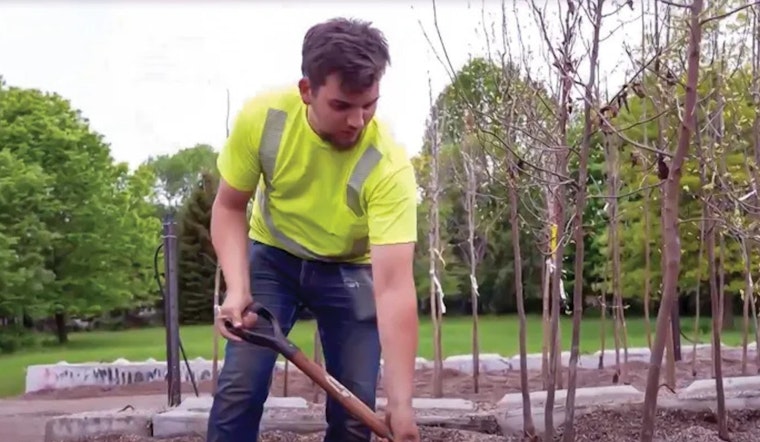
Amid the concrete and high rises, the urban forest of Bloomington is receiving careful attention to maintain its health and diversity. Park Maintenance crews, tasked with the stewardship of these green spaces, utilize tree thinning as a key strategy to manage and support the ecosystem. This approach facilitates the growth of slower-developing native species, such as oaks, that struggle to thrive under the shadow of a tightly knit canopy.
"Over the years, with the lack of disturbances from fire and grazing, these systems have developed into more closed-canopy systems. They were once a lot more open," Natural Resources Specialist Wade Yunker explained in an announcement from the City of Bloomington. Historically, the more heavily forested areas would have nestled on north-facing slopes, shielded from the flames, while the rest of the land sprawled into open prairies or savannahs.
However, the rarity of oak savannah habitats presents a compelling challenge, with less than half a percent of the original realms still intact. The understory, invaded by species like buckthorn and honeysuckle, becomes too shady, consequently reducing the diversity of ground-layer plants, and leading to soil exposure and erosion. Emerald ash borer infestation has also necessitated the removal of ash trees, further altering the local environment.
The city's restorative ambitions do not end with tree thinning. This technique is part of a larger initiative to promote tree regeneration. "With a closed canopy of these pioneering tree species, trees are unable to regenerate," the city noted. By creating openings and letting sunlight dapple the forest floor, they aim to rekindle a diverse and self-sustaining urban forest.





