

























































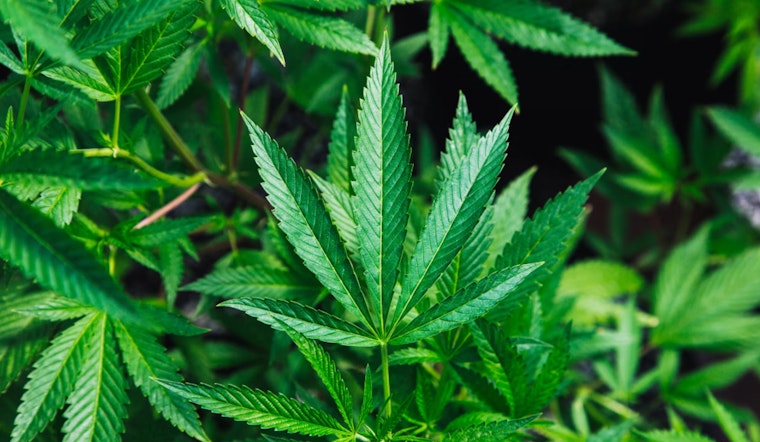
In Clark County, it's been a decade since the winds of change swept through, replacing blanket prohibition with a burgeoning retail marijuana business. A look back at the area's transition finds that concerns of rampant drug issues have given way to an image of cannabis as just another commodity on Main Street. Local proprietors and officials have observed that the feared societal fallout has failed to materialize since Washington State legalized recreational marijuana use in 2012.
Former skeptics and citizens alike have watched closely to see the impacts unfold. "What we realized was that the sky didn’t fall," Adam Hamide, co-owner of Main Street Marijuana, told Allsides. This sentiment seems to reflect a broader consensus among the community that anticipated problems were largely overblown. Main Street Marijuana, emblematic of this shift, stands as a testament to the regulated market's ability to integrate into the fabric of local commerce.
Washington's decision to legalize recreational marijuana placed it at the forefront of a nationwide shift, sparking a dialogue on drug policy and its societal roles. The state's pioneering of legal marijuana sales served not only to dismantle long-standing taboos but also to pave a path for economic development within a strictly regulated framework. As one of the initial states to put such legislation in place, the progress in Clark County may offer a glimpse into the widespread change underfoot.
It appears that the trepidations once voiced a decade ago have lost their grip, replaced by a collective sense of ease regarding the topic. As communities continue to adapt and the legal marijuana industry grows, the narrative has decidedly shifted from one of caution to one of quiet acceptance and normalization. Despite prevalent concerns at the outset, the integration of marijuana businesses is now seen as just another chapter in the evolving story of American enterprise.





