

























































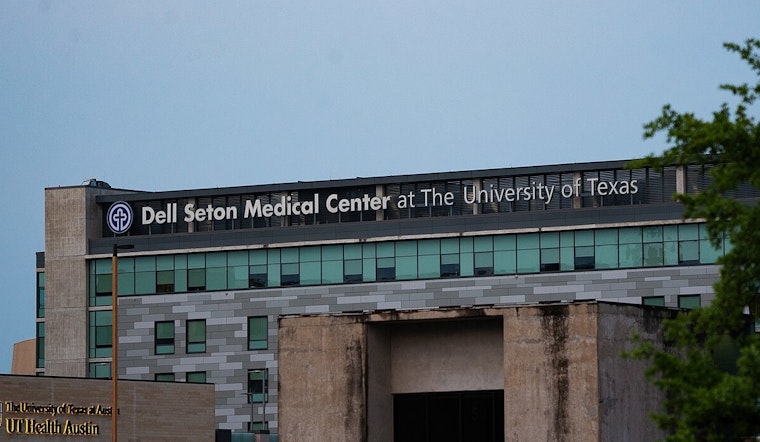
Dell Seton Medical Center at the University of Texas, amidst a healthcare landscape clamoring for specialized services, has unveiled an expansion that doubles the capacity of its neurocritical care unit. This Austin-based facility, a major provider within Central Texas, now touts 30 beds—a significant increase from the previous 15—and a broadened arsenal of treatment options, as reported by KXAN.
The expansion caters to an array of neurological conditions including stroke, neurovascular diseases, trauma, and acute spinal cord injuries, KVUE reports. Dr. Shahed Toossi, medical director of the unit, is confident about the unit's capacity to meet the community's needs, “So stroke, neurovascular disease, trauma, acute spinal injuries… all of these disorders are quite prevalent in the community. Now that we have the capacity to provide expert care, we’re certain our units will fill up,” she asserted.
The healthcare community has been monitoring the uptick in demand for specialized neurocritical care for the past two decades, a demand met by recent improvements. With the unit's upgrade, the medical center stands out as the sole provider of such concentrated neuro care in Central Texas, addressing a gap left by general intensive care units. This single-site comprehensive care model is anticipated to generate smoother transitions for patients as they move through various stages of recovery.
"Rather than having to go from one unit if you happen to be critically ill and as you improve, or move to a different unit with a different care team and different set of nurses and different set of rehab personnel, whatever else, now we can care for you across that entire spectrum in one unit in one area," Assistant Chief Nursing Officer Jonathan Hecht explained to KVUE.
This development is part of a larger $280 million initiative by Dell Seton Medical Center aimed at enhancing healthcare services across Central Texas. The center's bolstered capability signifies a progressive step in meeting the intricate needs of patients suffering from serious neurological conditions, as well as a broader commitment to cater to the community's evolving healthcare demands.




.jpg)