

























































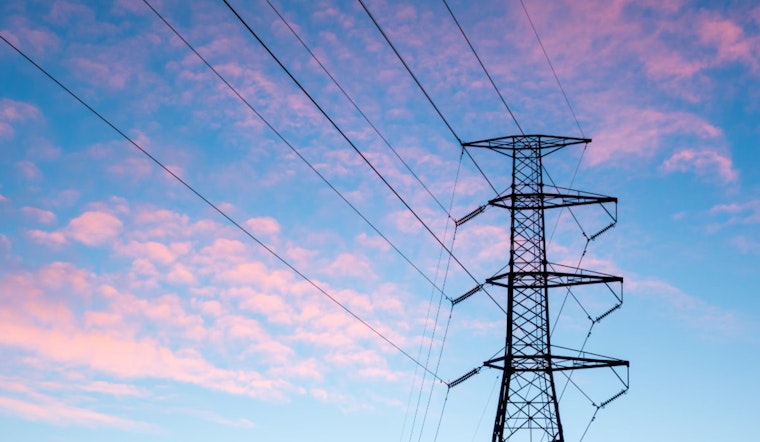
Last week's heatwave in Eugene, Oregon, pushed electricity demand to near-record levels, with the Eugene Water & Electric Board (EWEB) reporting demands close to the highest ever recorded for the region during summer. KATU noted that on Tuesday, last week, the demand for electricity almost reached the summer record at 416 megawatts, compared to the all-time high of 423 megawatts set in 2006. This demand is significant considering a major microchip plant that previously contributed considerably to the grid's load has since shut down.
With temperatures soaring to 105 degrees on July 9, 2024, the demand spike is linked to increased air conditioning usage and a rise in electric vehicle charging. "This is just an indication that people are using air-conditioning more," Aaron Orlowski, Senior Communications Specialist at EWEB, told KVAL. The utility company, which gets about 80% of its electricity from the Bonneville Power Administration sourced from dams on the Columbia River, is undergoing negotiations to renew their contract to secure more energy as the region braces to face even more severe heatwaves in the future.
The American Public Power Association reported that EWEB's Chief Energy Resources Officer, Brian Booth, expressed concern over the climbing demand. "As summers get hotter, air conditioning use will only rise in our community," he said, adding, "We’ve made it through the last couple decades by using energy efficiency to cut energy usage at the same rate that it’s rising. But demand is starting to outpace our ability to implement conservation programs, and we will soon need new sources of on-demand, dispatchable electricity to keep up." Booth emphasized the utility's past success in mitigating rising energy usage through efficiency but acknowledged future challenges.
Last summer, EWEB avoided straining the grid through voluntary customer energy savings and is now exploring formal demand response programs. These programs would offer customers incentives to reduce energy use during times of peak demand. According to a statement by Chad Hadley, an EWEB power trader, "EWEB takes cues from these volatile price signals to guide when we dispatch our on-demand hydropower resources," as noted by The American Public Power Association. These steps are critical to not only ensuring a consistent power supply during extreme weather events but also in keeping energy costs low for customers.
The increasing occurrence of extreme temperature events poses a risk to the region's power supply. EWEB warns that without additional energy sources, the Northwest could face a nearly 50% chance of blackouts by 2027. Currently, Eugene has already experienced five days above 100 degrees this year, a stark contrast to previous patterns when such heatwaves occurred once every decade or two. As the specter of climate change materializes through these sweltering periods, the call for proactive energy solutions becomes more urgent.





