

























































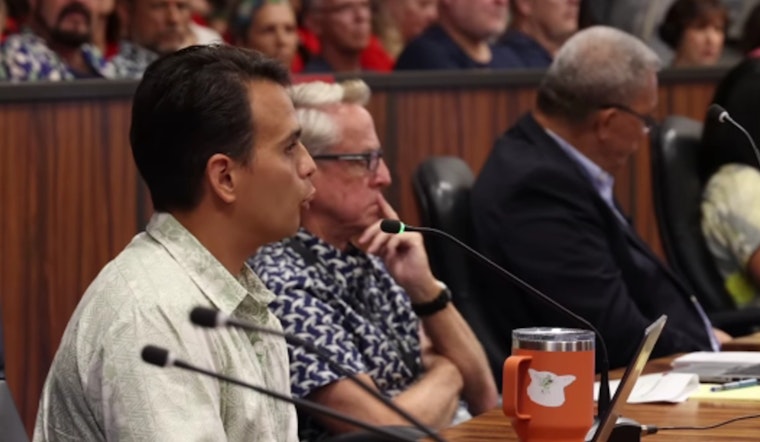
The ongoing debate surrounding Maui’s vacation rental phase-out bill enters a new phase, amidst logistical constraints that reflect deeper civic challenges. The Maui Planning Commission, continuing to grapple with the contentious proposal put forth by Mayor Richard Bissen, faces a dilemma of time, burdened by vacancies and quorum requirements that limit its ability to operate. Restricted to a single hour of deliberation set for Tuesday, the commission's ability to address what could be Maui County’s most considerable policy shift in years is unduly shackled.
Two weeks prior, the commission, functioning with just six of nine members, pushed through an 11-hour session on the plan to convert around 7,000 vacation rentals into long-term housing, as reported by Civil Beat. Despite the marathon meeting, the backlog of public testimonies remained unaddressed, a testament to the fervent public engagement on the issue. Now, with one member unable to attend and another needing an early exit, the commission is handcuffed by the regulatory minimum of five members to proceed, ensuring a premature end to what might be one of the most significant discussions in Maui's recent memory.
Clearly, the crux of this bill lies in its potential to reshape Maui’s housing landscape. The so-called Minatoya list could see a 13% boost in the island's long-term residential housing stock by 2026, effectively ending the grandfathering of short-term rentals in certain zones. Yet, the 60-minute limit on the meeting throws into sharp contrast the stark limitations of a commission struggling to fulfill its mandate, highlighting a need for urgency in filling the empty seats that impair its operations.
On the flip side, as chronicled by Maui Now, critics of the proposal warn against dramatic economic repercussions. This includes a reputed loss of 14,126 jobs and a downturn in tourism revenue reaching $1.67 billion, not to mention tax implications. Adding to the complexity, the proposal bifurcates the county, pitting those who see the rentals as illegal against those who dread the economic ripple effects its elimination could entail.
Despite the constraints, the commission's role in crafting recommendations for the County Council’s eventual decision later this year is undiminished. With limited discussion time at their disposal, the commission must navigate the intricacies of local governance, balancing the dire need for housing with the potential economic fallout. Meanwhile, individuals with properties on the Minatoya list, like Commission Vice Chair Dale Thompson, chose recusal from voting, obviously due to their personal stakes in the outcome.





