

























































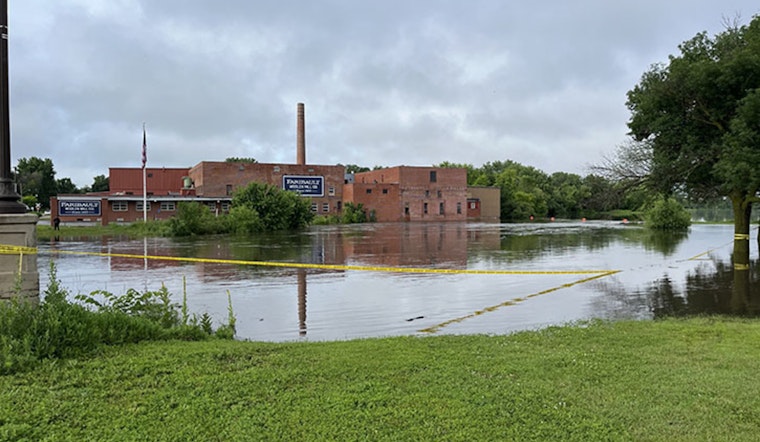
With the backdrop of unrelenting rain and rising waters in Faribault, Minnesota, a cohort of local heroes has risen, not via capes but with a steadfast commitment to fill sandbags and haul furniture. These individuals are part of the Rice County Community Emergency Response Team (CERT), a group that served as an indispensable resource during the spate of summer flooding which saw the city grapple with a torrential 17.64 inches of June rain. This deluge tested the endurance of Faribault’s infrastructure, leading to widespread damage and the urgent need for community-led intervention.
The CERT program, as described in a recent state report, is a conglomeration of volunteers trained by a curriculum developed by the Federal Emergency Management Agency (FEMA), and coordinated alongside the Homeland Security and Emergency Management (HSEM) division, as well as local collaborators like the Faribault Fire Department. Their role extends beyond the call of routine civic duties, actively bridging the gap between disaster's strike and the arrival of professional emergency responders. In Faribault's case, the CERT’s assistance included filling sandbags, evacuating soaked belongings, and removing sodden carpets from myriad flooded basements.
While the CERTs' role is primarily to support during times of crisis, their service to the community is not confined to disaster's snare. "These are trained volunteers who make a huge difference for their neighbors," remarked HSEM Director Kristi Rollwagen. They participate in traffic direction during events, searching for missing children, and guiding residents to shelters when crises call. Their presence, a testament to the efficacy of private-public partnerships, has not only augmented Faribault’s response but reinforced the resilience of a community under siege by nature’s unpredictable wrath.
The CERT teams embody a blend of local knowledge and specialized emergency training, fostering a symbiotic relationship with first responders. This dynamic allows for an efficient division of labor, where CERT volunteers tackle immediate community needs, thereby freeing professionals to focus on more pertinent and complex emergency operations. For the people of Faribault, who are now wading through the aftereffects of historic flooding, the CERT's contributions have been invaluable, complementing the overarching emergency management ecosystem.
For those interested in becoming part of this critical community support network, information on joining a local CERT is available on the HSEM website. Here, potential volunteers can discover the steps to take towards becoming the kind of neighbor who doesn't just offer a cup of sugar, but lends a hand when water threatens to wash away the comforts of home.





