

























































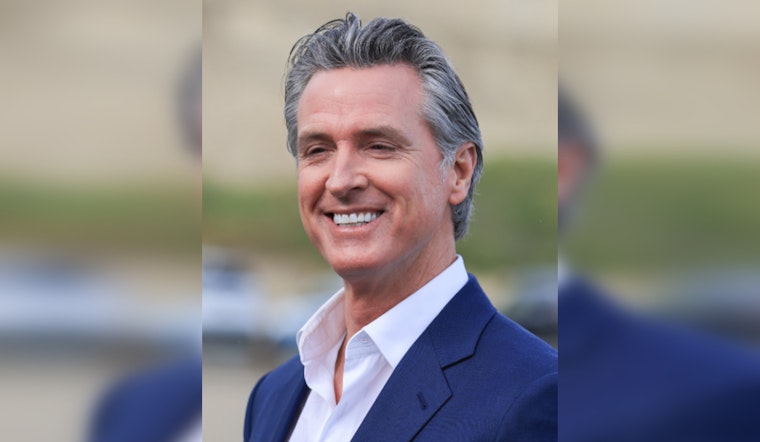
The streets of California are stirring with contention following Gov. Gavin Newsom's latest executive order, which urges the dismantling of homeless encampments, a decision sparking debate among city officials, law enforcement, and homeless advocates. Newsom's initiative aligns with a recent U.S. Supreme Court ruling, effectively greenlighting local governments to enforce bans on public sleeping in the absence of adequate shelter options. The Governor's statement highlighted the urgency in addressing encampments, as obtained by CNN, "This executive order directs state agencies to move urgently to address dangerous encampments while supporting and assisting the individuals living in them — and provides guidance for cities and counties to do the same."
Newsom, as noted by CNN, elucidated the necessity for humane policies to swiftly tackle the issue, this stance emerges shortly after the revelation of the homeless population's rise nationwide, with California accounting for the greatest number amidst the states. Sacramento's Mayor Darrell Steinberg, in a statement to KCRA, expressed his support for the executive order, insisting that it parallels the City's existing two-prong approach of "compassionate enforcement." Despite the mayor's assurances that the approach won't lead to an increase in criminalization, concerns among advocates persist.
Angela Hassell, executive director of Sacramento Loaves & Fishes, responded critically to the executive order, foreseeing additional criminalization and hardships for the unhoused. According to Hassell's interview with KCRA, the anticipation is for "more criminalization around folks in the form of citations, potentially arrests." Similarly, Niki Jones of the Sacramento Regional Coalition to End Homelessness laments the lack of substantive solutions, advocating that homes, not criminalization, will end homelessness.
The criticism contrasts starkly with the perspective of Sacramento County Sheriff Jim Cooper, who, in comments to KCRA, labeled these advocates as out of touch with reality, asserting that law enforcement action is at times a necessity when the unhoused refuse help. He commended the executive order as "refreshing." Meanwhile, Mayor London Breed's office boasts a reduction in San Francisco's street tent count, attributing this decline to daily efforts to relocate individuals indoors and maintain tidy encampments—a fact supported by a spokesperson's statement to CNN. Critics, however, like Jennifer Friedenbach from San Francisco's Coalition on Homelessness, decry the governor's directive as a harsh blow, with shelter beds full and housing waitlists long.
This divisive executive order enters a landscape already deeply fractured by the homelessness crisis, with positions polarized between, on the one side, the stark enforcement supported by some in law enforcement and, on the other, the vocal outcry of many advocates for the homeless. As California navigates challenging terrains of public policy versus human dignity, the state's course of action will likely set precedents followed by others across the nation.





.jpg)