

























































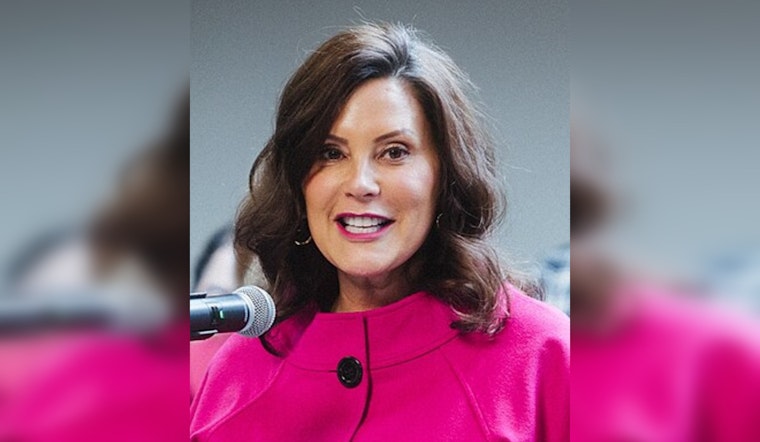
Gov. Gretchen Whitmer has officially inked the state budget for 2025, confirming an $82.5 billion spending plan that underscores a deafening response to the clamors for better public safety, housing, and infrastructure improvements. The freshly signed budget is bound to kick in from October 1, and it has turned heads with its glaring injection of funds into a broad spectrum of public projects and programs. Details released by CBS News highlight key investments including the reopening of the Palisades Nuclear Plant, substantial increases for childcare services, and boosts in funding for local road and bridge repairs.
According to mlive, Whitmer stressed the commitment to keeping taxes steady while aiming to vigorously expand housing opportunities, stating, "let’s keep getting things done that make a real difference in people’s lives." The budget further allocates $75 million to a newly created Public Safety Trust Fund to better equip cities, villages, and townships with more resources for policing and community violence interventions. However, it's not without controversy as some Republican lawmakers have criticized the budget for being too weighed down with 'pet projects' and insufficiently attentive to statewide infrastructure needs.
In a statement obtained by Detroit Free Press, Gov. Whitmer mentioned, "We have delivered a pragmatic, balanced budget that delivers on the kitchen table issues." The sprawling budget bill notably pools more than $55 million for Detroit-specific initiatives, ranging from the Motor City's cultural mainstays like the Detroit Zoo and Motown Museum to infrastructure projects and community-focused non-profits.
There was a pointed response from the state Rep. Andrew Beeler, who decried that amidst the urgency to improve education and transportation, Detroit's Greektown managed to secure funds for public Wi-Fi. Bipartisan friction notwithstanding, the budget is slated to augment the state's rainy day fund by $50 million, bringing it nearly to a robust $2.2 billion.



_(Whitmer1).jpg)