

























































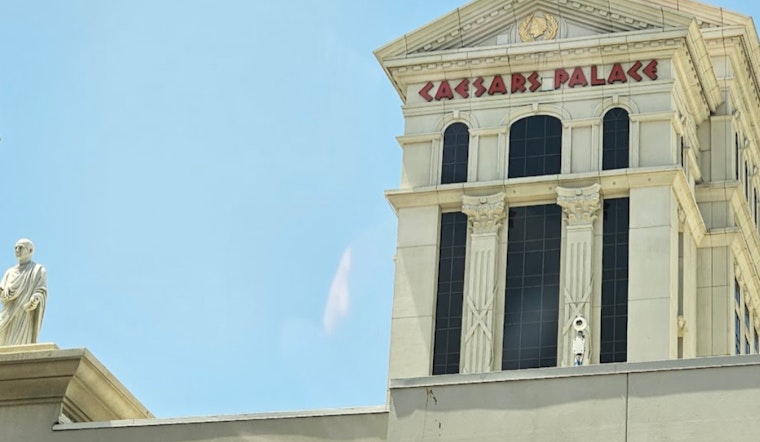
The Southern Nevada Health District is investigating two cases of Legionnaires' disease linked to stays at Caesars Palace in Las Vegas, as guests who visited the hotel at different times presented with the disease. One guest stayed at the iconic hotel in December 2023 while the other's stay was in June 2024, News3LV reports. The district's response involved a stringent water sampling process, where subsequent tests after the first case turned up negative for Legionella, the bacteria responsible for the illness.
While the investigating health officials received no positive results from water samples taken after the first reported case, one positive test result was present in the samples collected following the second case, according to KTNV. The hotel has conducted remediation procedures to address the contamination in its water system and subsequent testing yielded no detectable traces of the bacteria.
Caesars Palace has released a statement assuring the public of their rigorous safety protocols to prevent the growth of Legionella bacteria. "We immediately took further steps to remediate the presence of any trace amounts of Legionella bacteria relating to the two instances being investigated by the Southern Nevada Health District," the hotel stated. They also emphasized that they are "confident in the integrity of our systems and the safety protocols we rigorously follow," KTNV relays.
The Southern Nevada Health District has clarified that people who stayed at Caesars Palace up to July 11, and have remained symptom-free are not at risk for contracting the disease. In an initiative to track potential infections, guests who visited from July 11, to July 24, and have developed symptoms within 14 days after their stay are being asked to report their illness to the Health District using an online survey. At particular risk are individuals older than 50, current or former smokers, those with chronic lung disease, weakened immune systems, or those taking immunosuppressive drugs, and people with certain underlying conditions like diabetes, kidney failure, or liver failure, as outlined by News3LV.
Any concerned guests or individuals seeking additional information about Legionnaires' disease are encouraged to contact the health district’s helpline or refer to the Centers for Disease Control and Prevention's comprehensive guide on the condition. These resources provide guidance on symptoms, which typically appear two to ten days after exposure and can include cough, shortness of breath, fever, muscle aches, and headaches.





