

























































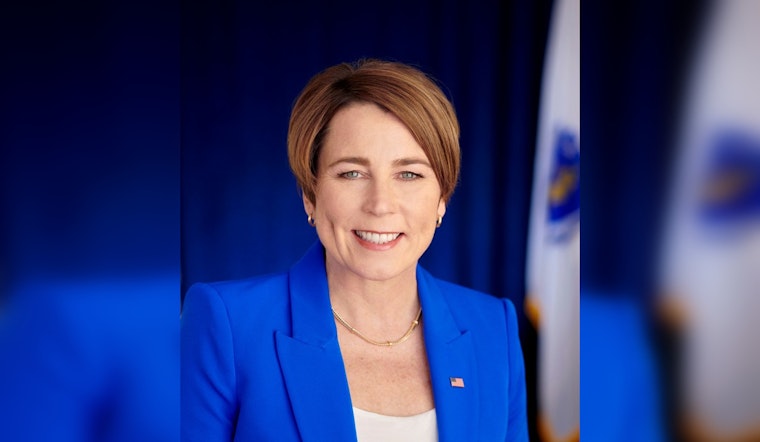
Governor Maura T. Healey has ushered Massachusetts into a new era of technological advancement with the signing of the FutureTech Act, which promises to overhaul information technology systems across state government. As reported by mass.gov, the act includes a substantial $1.23 billion in bond authorization earmarked to support technology needs for the next five years, supplemented by an additional $400 million set aside for anticipated federal funding, with a particular focus on major business application projects for the Executive Office of Health and Human Services.
In a move that reflects the digital expectations of the public, Massachusetts Chief Information Officer and Technology Services Secretary Jason Snyder observed, "The front door to government is now digital. We are now at a point where the vast majority of residents’ first interactions with state government are via the web." Snyder's remark highlights the shift towards a more accessible and user-friendly government interface, a significant motive underpinning the FutureTech Act. The act not only aims to streamline the constituent experience across various state agencies but also target toward reinforcing cybersecurity projects and facilitating future investments in artificial intelligence.
One major component of these initiatives is the Commonwealth Digital Roadmap, designed to standardize experiences across state agencies through a single identity that proactively directs users to relevant information and services. Boasting nearly 1.5 million users to date, the Identity Access Management (IAM) single sign-on is poised for expansion. The FutureTech Act aims to further enhance the platform with added applications and new lines of constituent communication, including live chat, SMS, and chatbot services.
Furthermore, the act addresses key employment and education systems by introducing the Employment Modernization Transformation (EMT) and the Enhanced Student Financial Aid Access project. According to Governor Healey, "This bill, state government can operate more efficiently and seize on the opportunity to engage with emerging technologies like AI." These reforms are expected to simplify the state’s financial aid system, making it more straightforward and accessible for students and families to apply for and receive help needed to cover educational expenses.
Lending her voice to a collective approval, Lieutenant Governor Kim Driscoll supported the importance of modernization for all the Massachusetts municipalities, by "By supporting proven, highly effective grant programs like the Municipal Fiber and Community Compact IT Grants, we are ensuring that all our residents are safer and better-connected to government." Meanwhile, for the rural areas often left behind technological advancements, Director of Rural Affairs Anne Gobi stated that the FutureTech Act will be beneficial "to maintain our digital infrastructure to support all regions, particularly rural communities that are often overlooked."
The legislation is a definitive step towards consolidating Massachusetts' place at the forefront of responsible AI development and use in government, keeping in line with the recommendations of the state's Strategic AI Task Force. By investing in both the current and future IT needs of the Commonwealth, it also looks to empower municipalities through directed grant programs, enhancing overall connectivity and system security.



