

























































The state of Michigan has taken a firm stance against the pervasive issue of so-called "flushable" wipes. In a new law that was signed in May, manufacturers are now prohibited from marketing their wipes as "flushable" within the state. As reported by ClickOnDetroit, companies must also ensure packaging bears the clear instruction "Do Not Flush" and includes a symbol to actively discourage consumers from disposing of these wipes via the toilet.
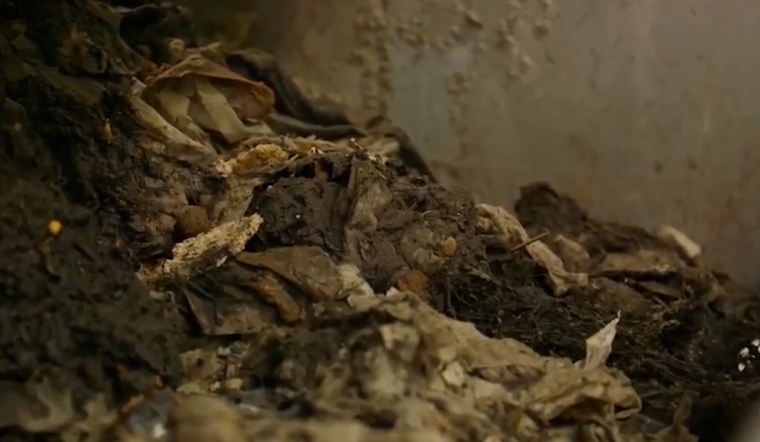
This measure comes in response to the substantial havoc that flushable wipes have been proven to wreak upon sewage treatment infrastructure. "These wipes are wreaking havoc on critical underground infrastructure," Macomb County Public Works Director Candice Miller explained, as per ClickOnDetroit. In 2018, Macomb County was beset by a 100-foot "fatberg" which consisted of a mixture of fats, oils, grease, and solid waste including these wipes, leading to a hefty cleanup cost of $100,000. The new legislation is expected to not only prevent these costly incidents but also to potentially save millions of dollars in repairs for the extensive damage caused to the systems underground.
These troublesome wipes have also been a source of constant upkeep for Michigan wastewater treatment plants. “They clog screens and pumps used in treatment plant facilities, requiring constant maintenance and costly cleaning expenses,” outlined the Michigan Department of Environment, Great Lakes, and Energy. Oakland County alone has responded to 474 instances of clogged machinery at pump stations over the past six years, leading to an approximate taxpayer cost of $134,000, according to data from the Water Resources Commissioner’s office.
Moreover, the problem extends to the almost 1.5 million septic systems in the state, which are equally at risk due to these wipes. They not only struggle to fully break down in septic tanks but can clog pipes, necessitating more frequent and expensive cleanouts. Phil Argiroff, director of EGLE’s Water Resources Division (WRD), said, as cited by ClickOnDetroit that "more honest labeling on these products should help people understand the issues they create for our wastewater plant operators and septic system user." Through raising awareness with clear labeling, the state hopes to mitigate the ongoing issue and protect its essential infrastructure from further damage.



