

























































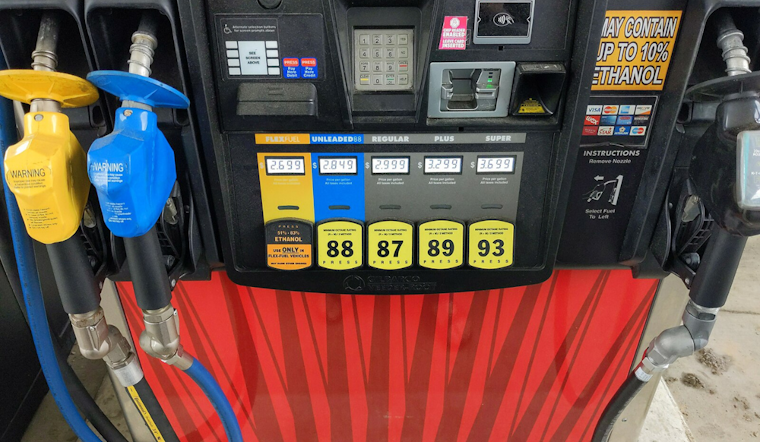
On a day where wallets throughout Michigan felt the sting, AAA reported a sharp rise in gas prices, hitting a 2024 high of $3.81 per gallon on Friday before making a minor retreat to an average of $3.78; despite the dip, prices remain elevated compared to the preceding week and year, reflecting a broader trend in fuel costs that's squeezing consumers and catching the attention of those with an eye on the presidential election. The incremental price drop, while seemingly a relief, cannot mask that Michigan drivers are now paying 10 cents more per gallon than last week and 12 cents more than the same period a year prior, as Detroit Free Press underscores, noting the potential influence this trend may have in political spheres.
Driving the price spurt is a reported spike in demand paired with a tight oil market, along with reported refinery issues in the Midwest that have compounded the supply crunch, highlighted WXYZ. The Energy Information Administration noted a pullback in crude oil supplies, and "Michigan drivers are seeing much higher prices at the pump as the state average set a new 2024-high on Friday," Adrienne Woodland, a spokesperson for AAA, said as per WZZM 13, pinpointing refinery issues in Joliet, Illinois as a significant factor.
Across Michigan, geographical disparities in gas prices painted a varied picture, with some cities like Jackson, Grand Rapids, and Saginaw bearing the brunt with prices pushing the environs of $3.89, whereas Marquette, Metro Detroit, and Traverse City saw some respite with cheaper averages around $3.48 to $3.75. In a broad-based reflection of an unpredictable market, these variances echo the broader instability that has motorists bracing for more volatility as they navigate this surge in fuel costs.
The impact of rising gas prices extends beyond individual budgets and into the arena of national politics, where academic studies, such as those mentioned by Detroit Free Press, have illustrated a connection between gas prices and presidential approval ratings; S&P Global adds weight to this claim, emphasizing that energy costs, while typically seen as one of many economic indicators, possess a certain salience in voters' minds which translates to presidential credit or blame depending on their movement, this phenomenon is fueled by a recognition that whether fair or not, the president is often held responsible for the nation's gas prices.





