

























































In the wake of a deadly tornado that ripped through Livonia on June 5, leaving a young boy dead and his mother injured, Michigan's congressional representatives are pressing for answers from the National Weather Service (NWS). The tornado, classified as an EF-1 with winds peaking at 95 mph, struck without warning, prompting questions about the effectiveness of existing weather alert systems. According to The Detroit News, U.S. Reps. Debbie Dingell, Rashida Tlaib, and Haley Stevens issued a letter to Richard Spinrad of the National Oceanic and Atmospheric Administration (NOAA), seeking clarity on the lack of preemptive alert for the tornado that devastated parts of the state.
The congressional representatives are expressing "deep concern" over the emergency alert processes, following the event that not only claimed a life but also left extensive damage in its wake. They demanded a detailed explanation as to why the NWS did not detect and issue a preemptive warning, "The lack of a warning in this event raises questions about the current alert systems, and their effectiveness in rapidly developing situations," as stated in their correspondence, as per The Detroit News. Meanwhile, Livonia officials explained that the tornado's swift formation allowed little time to utilize the city's emergency notification system.
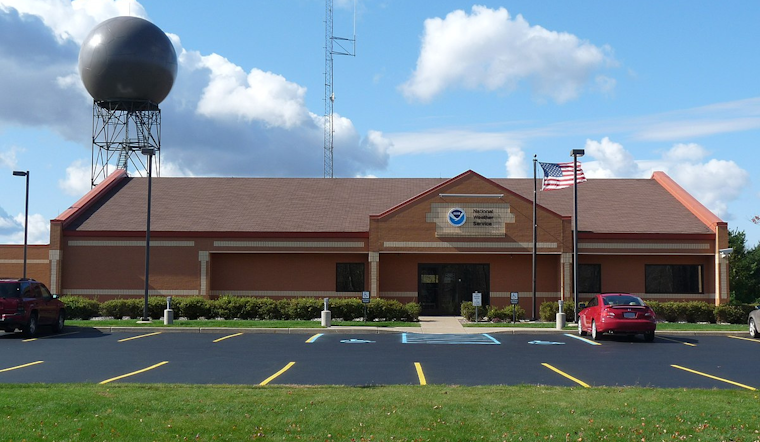
As the community grieves, seeking solace and understanding, Considine, a meteorologist with the NWS in White Lake Township, described the predicament they faced when the tornado developed too quickly to issue a timely warning. He stated, as cited by The Detroit News, "We had a special weather statement out for the thunderstorm, which produced 40 mph winds, (but) we had a rapid development of the tornado right over Livonia, and it developed and dissipated very quickly, so that it was difficult to put out a warning on such a quick spin-up of a tornado".
Seeking further insights into preventative measures and future-readiness, lawmakers posed several questions to the NWS. They inquired about the specific reasons for the lack of detection and warning, the current protocols for tornado warnings, and whether the tornado's rapid development could have been obscured by technological limitations, according to the report by CBS News Detroit. They pressed for an understanding of the readiness for extreme weather events, including whether ongoing efforts were in place to update radar and detection technologies that might better predict sudden tornado formations.
The incident has prompted an intense analysis of climate change's impact on unpredictable weather patterns and tornado activity. NOAA's strategies for forecasting and altering public readiness in the face of such calamities are under scrutiny. Also, on the table are discussions on enhancing collaborations with local emergency management agencies for a coordinated response and improved communication at the local level when rapid weather emergencies develop. The NWS, while still compiling a response to the lawmakers' inquiry, acknowledged the tragedy of the event and expressed their own community's heartache, as per FOX 2 Detroit: "Our hearts go out to the community of Livonia for the loss of life."



