

























































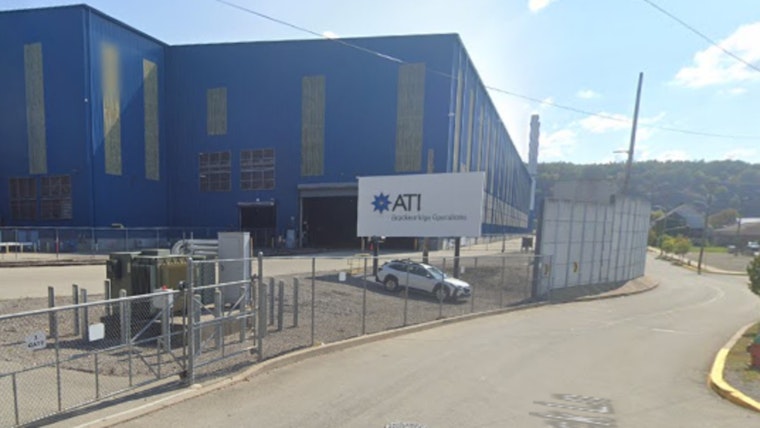
In a significant shift for materials science, a team at MIT has developed an innovative approach to fabricating titanium alloys, potentially transforming the landscape for industries reliant on this critical material. According to MIT News, these alloys are vital for their strength, corrosion resistance, and lightness, especially in aerospace. Researchers have unlocked new possibilities in strength and ductility two attributes historically seen as mutually exclusive. The testing, conducted in collaboration with ATI Specialty Materials, suggests groundbreaking applications for the material.
The details of their discoveries, which are described in the journal Advanced Materials, result from meticulous manipulation of chemical compositions and atomic lattice structures. The team also pinpointed processing techniques critical for these materials at an industrial scope. In an age where material efficiency is paramount, this innovation could pave the way for advanced engineering applications. Yet, the complexities of titanium alloys require a strategic approach to yield the desired properties. This means a careful curation of elements, proportions, and manufacturing processes that has opened up an array of possibilities for application at both cryogenic and elevated temperatures.
Shaolou Wei ScD ’22, Professor C. Cem Tasan, postdoc Kyung-Shik Kim, and John Foltz from ATI Inc. have focused their research on the microstructural dynamics of these materials, looking specifically at the interplay between the alpha and beta phases of titanium alloys. “The key strategy in this design approach is to take considerations of different scales,” Tasan told MIT News.
An integral part of their study involved in-depth analyses under the scanning electron microscope while alloys deformed, revealing crucial behaviors in their microstructure. It was within this microscopic theater that the research team identified a clear set of parameters namely, the forms of composition, and the methods of processing that coaxed the alpha and beta phases into an unusual state of unity during stress, addressing the common cracking tendencies of these materials. "The phases deform in harmony," Tasan said.
Reflecting on the potential industry impact, MIT News quotes Tasan noting the particular relevance to aerospace applications, where an optimal mix of strength and ductility opens new doors for innovation. While the MIT-ATI collaboration has emphasized fundamental principles of crystal plasticity, their joint venture As bridges the gap between theory and practicality, standing as a testament to the significant progress that interdisciplinary partnerships can yield in the path toward technological advancements.





