

























































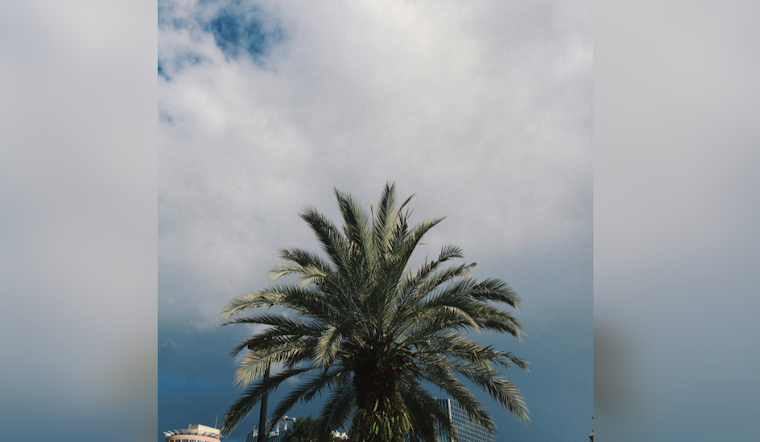
The skies over Orlando will offer a mixed bag of weather this week, with forecasters predicting both drier spells and potential for storms. Flight operators and beachgoers should prepare for scattered showers and thunderstorms, mainly along the I-4 corridor, while parts of the Treasure Coast might catch a break from the recent wetness, as reported by the National Weather Service.
An advisory from the National Weather Service Melbourne FL states, "Scattered to numerous SHRA/TSRA should develop along the inland moving sea breeze boundaries and any collisions across the interior through the afternoon/early evening hours." For those taking flight out of Orlando, temporary downturns in visibility due to thunderstorms, notably around the Cape in the early afternoon, are expected. Aviation forecasters are inserting temporary weather conditions into the forecast for a handful of local airfields starting in the late afternoon. An earlier sea breeze from KVRB-KSUA might bring some relief, but the effects on the weather-dependent operations will be keenly felt.
Despite the showers, heat continues to envelop east central Florida, with the National Weather Service warning of 'Moderate to Major' HeatRisk — this means precautions against heat-related illnesses are a must. Actions recommended include hydration and taking breaks in air-conditioned environments if outdoor activity is unavoidable. The sticky weather is predicted to hold with "low to mid 90s" daytime temperatures and "mid to upper 70s" overnight into the midweek period.
The mid-week outlook appears slightly drier, with a bit of relief as a pocket of drier air drifts in. According to forecast discussions, Slightly drier conditions mid-week will be short-lived, with increasing moisture forecast late this week into the weekend. However, as the area's high pressure resumes its influence by the weekend, the upswing in moisture will likely prompt a return of the familiar pattern - afternoon storms, driven by sea breeze interactions and with the possibility of lightning and heavy rain, followed by quiet nights.
Marine conditions are favorable for boaters, with an area of high pressure in play, light winds, and seas ranging from 2 to 4 feet. The National Weather Service advises, "Isolated to scattered showers and storms cannot fully be ruled out across the local Atlantic waters through the entire period." Those venturing offshore will want to keep an eye out for rapidly changing conditions brought on by potential thunderstorms.
The weekly forecast encapsulates the complexity and volatility of Florida's summer climate, oscillating between oppressive heat and sudden cloudbursts, ever challenging for residents and the various sectors that hinge on clear skies.




