

























































Update: Hoodline Seattle received a statement from a representative of Bayer, the company that owns Monsanto.
In a historic move for Seattle and the environment, Monsanto has agreed to pay $160 million to the Emerald City for its part in contaminating the Lower Duwamish River with toxic PCBs, as announced by the Seattle City Attorney's Office. This payout is touted as the largest single-city settlement of its kind, marking a significant win in the battle against industrial pollution. The hefty sum will bolster the efforts led by Seattle Public Utilities (SPU) to curtail stormwater pollution and is earmarked to further the protection of public health and the ecological integrity of the Duwamish Waterway.
In response to the settlement, a company spokesperson from Bayer stated, “Monsanto has reached a settlement agreement with the City of Seattle to resolve the City’s claims related to PCBs, a legacy product the Company ceased producing in 1977. The settlement will result in the dismissal of the City’s pending case and contains no admission of liability or wrongdoing by the Company. Under the terms of the settlement agreement, Monsanto will pay $160 million, including $35 million for PCB remediation. The balance of $125 million will reimburse the City for several unique claims in this case, including a portion of Seattle's contribution to the federally mandated Lower Duwamish Waterway Superfund clean-up, which covers multiple pollutants, and legal costs in this protracted litigation. The City of Seattle’s case is an outlier as no other pending municipal opt-out PCB case against Monsanto involves similar circumstances."
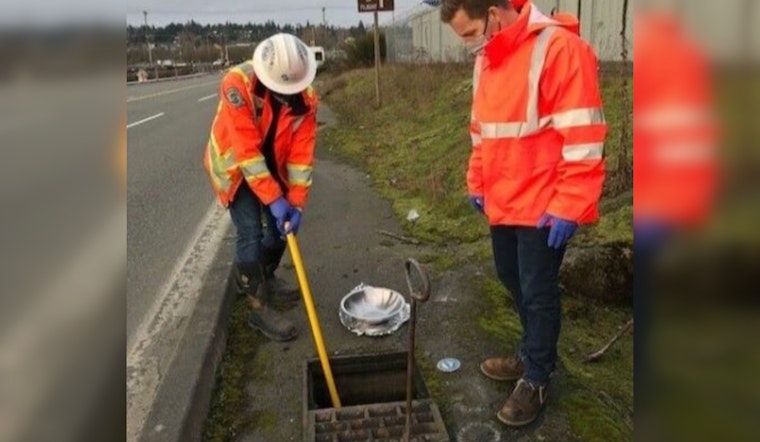
The determined work of SPU spans across multiple fronts, including sediment-testing source tracing trying to pinpoint contamination origins and having property owners clean their land, along with pipe cleaning, in which, over 25 miles of pipes were cleaned between 2014 and 2019; this extensive spectrum of activities has been made possible by the funding from the local ratepayers for over two decades, and this settlement promises to sustain, and expand these vital initiatives. "We are grateful for the partnership of the City Attorney’s Office in securing this settlement," SPU Deputy Director Ellen Stewart reflected in a statement expressed by the SPU announcement, with emphasis placed on the enduring efforts of the community and SPU's staff to reduce Duwamish's pollution levels.
The Duwamish River's story is one that reflects a history tinged with the neglect and recklessness of industrial expansion at the expense of natural resources. However, the tide is turning, as the SPU's actions demonstrate a deliberate and structured approach to environmental stewardship. Notably, from 2010 to 2020, SPU meticulously conducted upwards of 200 business inspections per year, the aim being to ensure local enterprises adhere to best practices for minimizing stormwater pollution, affirming its dedication to cleaner urban waterways.
Amidst ongoing environmental challenges, the Monsanto settlement stands as a beacon of accountability and a catalyst for continued conservation efforts. SPU's Stark Tracing zigzags across the map, each point a step towards identifying and mitigating contamination, from which more than 1600 samples for PCBs were collected and tested between 2002 and 2024, painting a vivid picture of a city determined to reconcile with its river. And as routine business inspections lend force to regulatory frameworks, they serve as an enduring reminder that every local business has a role in guarding the threshold between development and sustainability.
Monsanto also announced that it has retained Mark Lanier, founder of the Lanier Law Firm, to help enforce indemnity agreements with former PCB customers. “Mark Lanier is a well-known and successful plaintiff attorney who is ideally suited to help us recover legal costs from sophisticated former PCB customers who contractually agreed to fully defend and indemnify Monsanto for potential legal claims arising out of its manufacture and sale of PCBs,” a company representative said. “To date, these former customers have broken their contractual promises and refused to meet their legal obligations and have left Monsanto largely alone to defend claims which arise from their own manufacture, use or disposal of PCB-containing products.”
Monsanto is aggressively defending PCB cases across the country including a number of environmental and/or building impairment cases and personal injury cases. The indemnity litigation filed by the Company is an element of its strategy to mitigate the legal and financial risks of this litigation. Based on available sales records, the defendants in the indemnity case were the top six purchasers of PCBs during the period leading up to Monsanto’s decision to cease PCB production in 1977, and purchased more than 90% of all PCBs sold by Monsanto during this time.
The narrative now shifts towards how these newfound funds will be deployed in the ongoing mission of the SPU to right the wrongs of the past and forge a healthier, more harmonious relationship with the environment. Seattle's tale may serve as a case study for cities everywhere grappling with the consequences of industrial pollution and the paths toward environmental redemption.





