

























































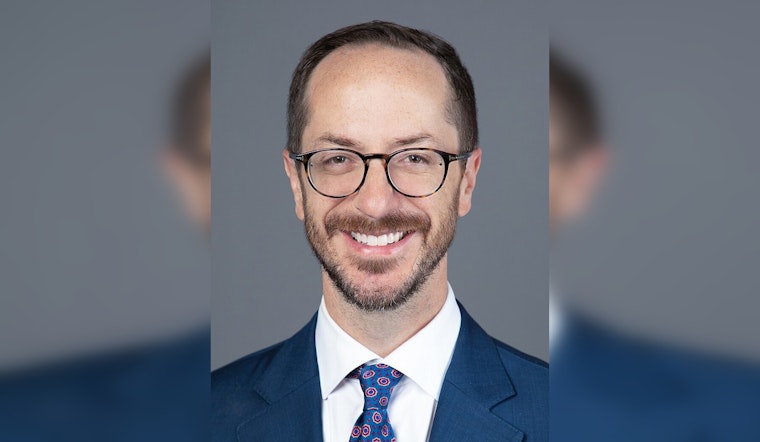
Nashville's historical landscape is poised for a stir as Mayor Freddie O'Connell calls for the reopening of cold cases tied to several bombings during the city's Civil Rights era. The Metro Nashville Police Chief, John Drake was tasked by O'Connell to dedicate a lead investigator from the cold case unit to this effort. Inspired by Betsy Phillips' recent book "Dynamite Nashville," the mayor's decision, announced after the book's celebration event, aims to bring overdue justice and understanding of these unsolved crimes.
In an age where the arc of the moral universe is often discussed as long but bending toward justice, pursuing these long-forgotten acts of terror reignites the quest for that very justice, delayed and thus denied. These cases include the Hattie Cotton School bombing in 1957, the Nashville Jewish Community Center in 1958, and the 1960 bombing of Civil Rights attorney Z. Alexander Looby's home - all symbols of the resistance against desegregation, as reported by WKRN.
Further interest was generated by the uncovering of an FBI file on Looby, which detailed his day-to-day activities but omitted any hints of the imminent threat, sparking curiosity about the agency's role at the time. In a report by WPLN News, Phillips expresses disbelief, saying, "If they had him under surveillance like this, how did they not know that this bombing was going to happen?" Her research suggests that the FBI had multiple informants within the Tennessee Ku Klux Klan during this epoch.
Phillips' book also sheds light on the clandestine culture of the informants within the Klan. Gladys Girgenti, who was herself involved in a bombing attempt, relayed to Phillips that being an informant was akin to an unspoken but accepted means to an end, both profitable and understood in certain circles. This revelation, as per Phillips, points to a worrying blend of subterfuge and surveillance during tumultuous times, as informed by interviews including Girgenti and supported by FBI records.
Underscored by these findings, Mayor O'Connell is also moving to better safeguard history by commissioning collaboration between Metro's Law Department and the Public Records Commission. According to sources including FOX17, the goal is to develop robust recommendations for records retention, in hopes that documents integral to truth and accountability remain accessible for future generations. The mayor's comprehensive approach not only reflects a renewed commitment to civil rights but also acknowledges the fragility of public memory and the written record.





