

























































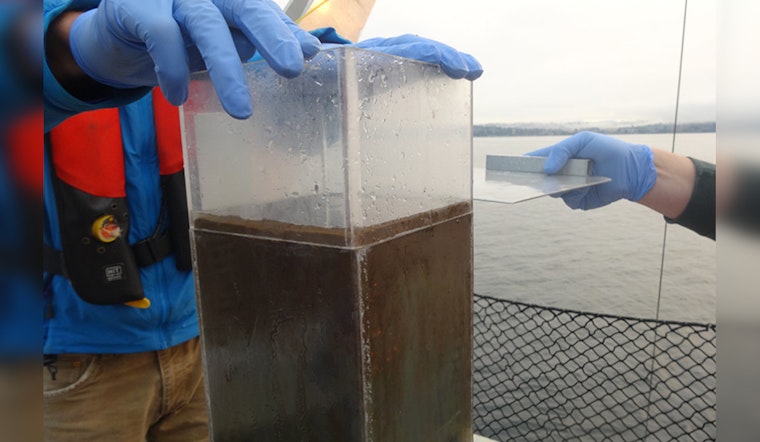
In a recent study published by King County, research on Lake Washington's lakebed sediment displayed a significant decrease in the levels of dangerous PCBs, a toxic chemical once prevalent in the environment. The findings suggest that due to the ban on PCBs over 50 years ago, there is now the potential for these chemicals to become undetectable in the near future. The research was conducted aboard the research vessel SoundGuardian, where sediment coring allowed scientists to collect and analyze historical environmental data.
Reinforcing the resounding impact of regulations and the choice of consumers, the sediment analysis from Lake Washington indicates that the concerted efforts to phase out and ban certain toxic chemicals are yielding positive results. The ongoing study, which was carried out by core sampling nearly 200 feet deep near the Evergreen Point Floating Bridge, has resulted in the determination that PCBs could drop below laboratory detection limits in the next 20 years. "The best way to protect people, fish, and wildlife from harmful chemicals is to stop their production and use," said Executive Dow Constantine of King County in a declaration emphasizing the importance of proactive environmental policies.
Similarly, the sediment study exhibits a decline in other harmful metals like cadmium, chromium, and lead, suggesting that these might return to predevelopment levels in a few decades, provided that the current recovery trajectory is maintained. Despite the good news, the research notes ongoing concerns with elevated levels of copper and zinc in the sediment, which are thought to stem from a range of urban sources, including vehicle emissions and construction materials.
Once a repository for untreated wastewater, Lake Washington has since become a beacon of environmental recovery, stemming from the efforts of organizations like Metro, which redirected sewage to treatment plants to preserve the lake's quality. While challenges persist, this sediment core provides not only a record of past pollution but hope that measures employed today will continue the trend of improvement. This relationship between past actions and present conditions was further elaborated by Director John Taylor of the Department of Natural Resources and Parks, who noted that "effective regulations and personal actions" can play a significant role in safeguarding the health of local ecosystems.
Currently, fish consumption advisories remain in place for persistent chemicals like PCBs, PFAS, and mercury. Nevertheless, the information gained from this study offers a roadmap for future community and regulatory action to address these ongoing environmental hazards. Adopting a similar approach to current 'forever chemicals' like PFAS that are widespread in consumer products will potentially replicate the environmental successes seen with PCBs.





