

























































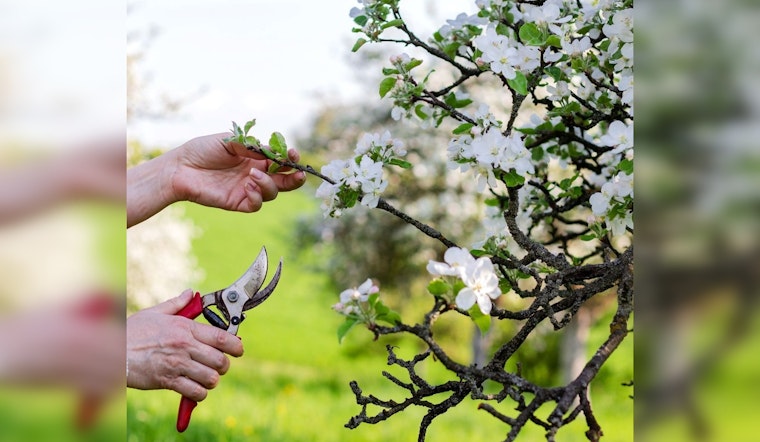
As the summer rolls on, apple enthusiasts and orchard owners alike are keeping a vigilant eye on this year's crop. Thinning out apples is common practice and could still be worth considering, even now. With the prime thinning window closing, experts suggest that while the full benefits of thinning may not be fully realized this late in the season, orchardists can still expect to see some positive outcomes for their efforts.
Typically, thinning aims to prevent biennial bearing—a phenomenon where a tree might go all out one year with its fruit production only to take a breather the next. "The purpose is to benefit this year and next year's apple harvest," an outline from Ryan Lermon, Extension Educator for Rice and Steele counties, emphasizing the process's role in promoting "higher quality and larger fruit, even out maturity and prevent branches from breaking," as per Rice County Minnesota. To truly make an immediate impact on next year’s bloom and this year's fruit size, however, thinning typically needs to happen 30-45 days after the flower petals fall.
Options abound for apple thinning, from the swiftness of mechanical means in larger orchards to the meticulous hand thinning suitable for smaller operations. Hand thinning, though it may be labor-intensive, offers a delicate touch, calling for selective cutting to leave one to two apples per cluster spaced roughly every 4-6 inches. And let's not forget chemical thinning, which has been cited to reduce labor costs for conventional and organic growers alike, typically taking place around 3-4 weeks after bloom, as detailed by Rice County Minnesota.
Those invested in the health of their apple trees should start by targeting the damaged or diseased fruits. As stated by Rice County Minnesota, "Begin by removing damaged or diseased apples first and try to leave the largest one if you can," Lermon advises, stressing the importance of spacing to both lessen the weight load on branches and enhance airflow.





