

























































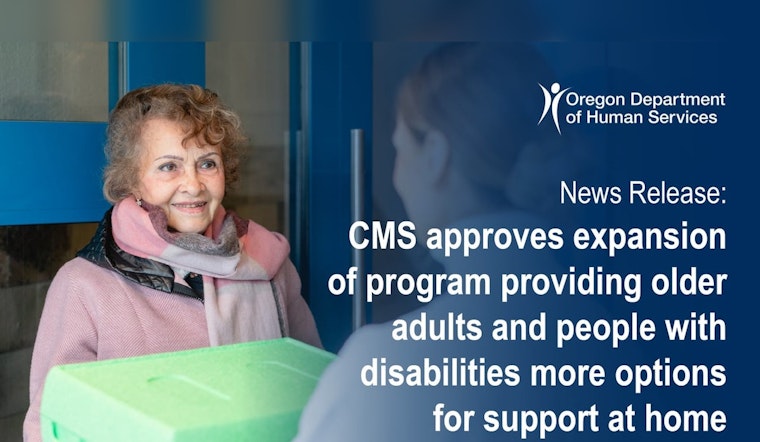
Major news for Oregon's older adults and individuals with disabilities, the Centers for Medicare & Medicaid Services has recently approved the expansion of the Oregon Project Independence (OPI) program. The Oregon Department of Human Services announced the move, upgrading OPI to include Medicaid funds and making the program available to those who've been yearning for support off waiting lists. As stated by the Oregon Department of Human Services, this could potentially open new applications for services as early as spring 2025.
The program, dubbed Oregon Project Independence - Medicaid (OPI-M), is primed to significantly lift financial burdens off the shoulders of eligible Oregonians. APD Director Nakeshia Knight-Coyle envisions a future where the program enables participants to comfortably stay within their homes. “ODHS is committed to providing Oregonians with options that best fit their needs. For many, the expansion of Oregon Project Independence means they will be able to stay in their current home for years to come,” she told the Oregon Department of Human Services. A key change includes the removal of the estate recovery requirement, which historically claimed assets after a recipient's death to cover the costs of services received.
One of the pivotal shifts in the program is the increase in the income ceiling for qualifying individuals. More citizens will soon have the chance to qualify for Medicaid-funded services, which include in-home support, adult day services, and several other forms of aid. The original version of OPI required fees from participants, but the Medicaid-funded version, OPI-M, does not call for any fees or estate recovery post-death, as confirmed by the Oregon Department of Human Services.
APD Deputy Director of Policy, Jane-ellen Weidanz, who was instrumental in the development of OPI-M, emphasized the significance of the expansion. "Oregon Project Independence - Medicaid will open doors for more older adults and people with disabilities to receive the support they require without the burden of fees or estate recovery, which can serve as a barrier for some people to receive help and perpetuate intergenerational poverty," she explained to the Oregon Department of Human Services. Particularly for those on the fringe of Medicaid's eligibility requirements, this expansion is set to bring about a much-needed change.
Camille Dobson, Deputy Executive Director of ADvancing States, supports the move by stating, “Oregon joins several states that have received Medicaid funds to serve individuals who would otherwise not meet Medicaid’s eligibility requirements but need limited supports in order to live independently in the community. As the national association who represents state aging and disability agencies, we are heartened by CMS’ recognition of these needs and hope that other states with similar programs will follow Oregon’s lead.”





