

























































In the aftermath of Hurricane Beryl's devastation, Marilyn Mayville, a 72-year-old East Texan, grappled with a lack of essential information, cut off from power and struggling with unreliable cell connectivity. As reported by the Texas Tribune, Mayville was uninformed about local resources until her nephew from Dallas directed her to a nearby cooling center. This narrative of confusion and misinformation is all too common in rural Texas, where weak infrastructure remains a critical barrier to effective communication during natural disasters.
The communication challenge in these areas is compounded by a growing mistrust in institutions and a preference for local knowledge over official recommendations, as Jennifer Horney, an epidemiology professor, told the Texas Tribune. Amid these crises, residents are often left scouring for updates via social media or word-of-mouth in areas plagued by broadband accessibility issues and spotty cellphone coverage.
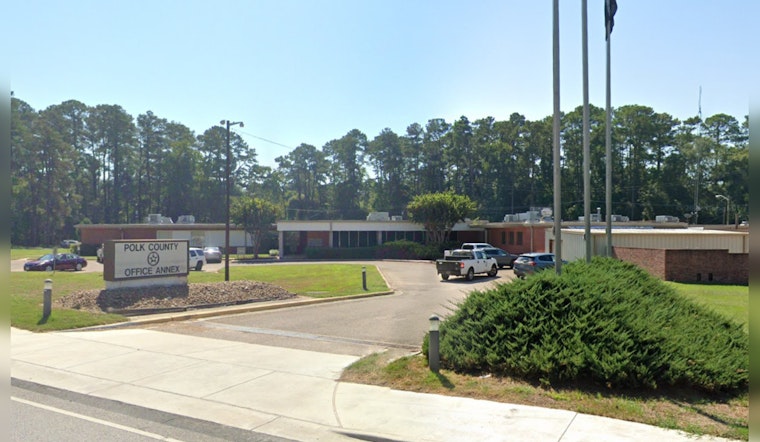
Pivotal in managing the dissemination of information during such disasters, Polk County Judge Sydney Murphy strives to maintain a steady flow of updates through various channels, including a county-run text message system known as AlertMePolkCounty and social media platforms. Murphy's dedication to prompt communication is evident in her hands-on approach to relaying emergency notifications immediately as the need arises. In a county that's faced multiple natural disasters this year, her efforts are crucial for equipping residents with the lifesaving information they rely upon.
Despite proactive measures, such as the construction of a 440-foot communication tower funded by the American Rescue Plan Act, some residents still struggle to receive information due to incomplete cellular service. Marissa and Brian Suski, local residents affected by Hurricane Beryl, expressed to the Texas Tribune their reliance on text messages for the most dependable updates during the storm's approach, amidst conflicting information from other sources.
While Texas has allocated considerable resources to enhance broadband and emergency communications, the reality is that the infrastructure is a work in progress. The Texas Tribune notes a groundbreaking broadband study, revealing a stark contrast between the demand and effective service availability. This digital divide underpins the broader challenge in building trust with rural communities, highlighting the pressing issue of ensuring equitable access to critical information infrastructure across Texas.





