

























































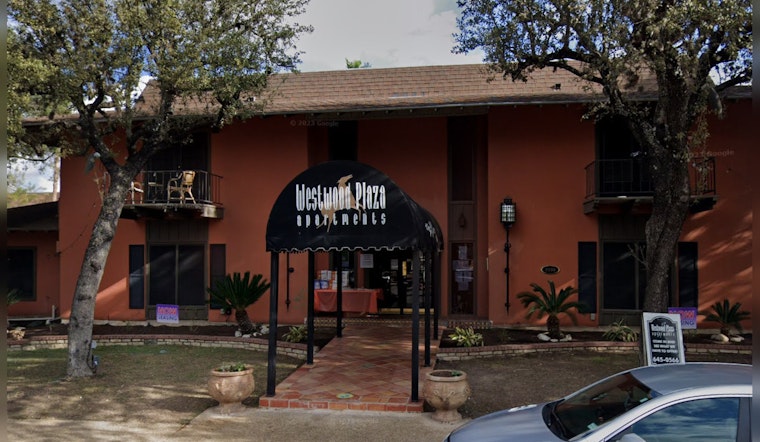
In the heat of a San Antonio summer, water shutoffs at the Westwood Plaza Apartments have pushed the issue of unpaid utility bills into the spotlight. The property, managed by the Los Angeles-based nonprofit Pico Union Housing Corporation, suffered service disconnections yesterday due to outstanding debts totaling over $320,000, as per the San Antonio Water System (SAWS). The executive director of the nonprofit, Gloria Farias, asserts that a cascade of pandemic-related conditions are behind the financial shortfall, including the impact of eviction moratoriums on rent collections.
The tenants, some of whom defended Farias, have faced the brunt of these financial struggles. According to San Antonio Report, the costs accrued from the corporation's acquisition and repair of the properties have snowballed into significant debt. The organization took on a $43 million loan to purchase and refurbish the properties, a commitment made on the eve of the pandemic's outbreak. This timing proved calamitous, as the global health crisis significantly reduced rent payment collections and left about half of their units vacant. Farias, leading Pico Union for over three decades, highlighted the COVID-19 pandemic and following moratoriums as unforeseen obstacles that severely disrupted the nonprofit's operations.
In response to the growing debt, Farias and her team at Pico Union have been actively seeking assistance. They secured nearly $806,000 in rental assistance from the city since 2020, with additional aid from government grants totaling more than $5 million in 2022, according to their annual tax filings. Yet, these measures have not fully mitigated the utility delinquencies or the costs associated with property code violations that have amassed in the recent years. Despite efforts to work with both the tenants and city authorities, the challenges facing Pico Union have evolved into a complex issue, affecting residents, the properties' conditions, and the organization's financial stability.
Crime has also proved to be a crippling factor, with Farias stating that calls to city police spiked due to incidents at the complexes. Local crime statistics validate this claim, showing over 60 calls in May alone for a variety of offenses. The living conditions have deteriorated amidst these challenges — an issue Farias personally confronts daily as a resident and manager on-site at Westwood Plaza. The complexities of this situation are mirrored in the balance between maintaining affordable rent, which Farias emphasizes is much lower than the city's average, and upholding the properties to a livable standard.
Looking forward, Pico Union faces a formidable path to recovery. Farias is slated to address the pending code violations in court later in August. Meanwhile, efforts to address the overdue payments have led to a structured $35,000 a month payment plan with SAWS. Farias remains hopeful for more ample city support and the possibility of reduced payment plans, stressing the importance of preserving the affordable housing provided by her organization's buildings in San Antonio.





