

























































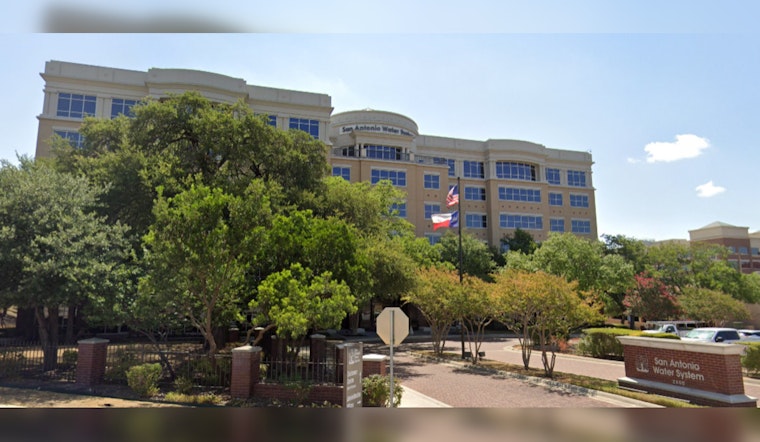
In an effort to staunch the flow of billions of gallons of lost water, the San Antonio Water System (SAWS) board of trustees has thrust its unanimous approval behind a revamped water conservation strategy that zeroes in on preventative measures against leakage. As reported yesterday, SAWS is grappling with its highest recorded water loss, a shell-shocking 21 billion gallons in the previous year, spurred by a blistering tally of 75 triple-digit temperature days.
Addressing the cascade of main breaks, 2023 wrote itself into the books as the worst yet for SAWS, eclipsing 2022's record losses, exacerbating the stress on San Antonio's water resources, and, the utility has earmarked $99 million for this year alone to lay the groundwork for upgraded mains, while the draft budget for 2025 forecast a swell to $129 million for the same purpose. SAWS has already been pouring an annual average of $68 million into main replacements from 2019 to 2023, but the scorching summers and persistent droughts have sharpened the focus on the aging infrastructure's urgent need for repair and replacement.
The hefty investment totals $549 million over the next half-decade on main replacements, aligned with SAWS' acknowledgment of the imperatives to plug leaks promptly. As part of the blueprint for enhanced responsiveness, 102 new positions were created and filled within the last two years to improve dispatch times for main break repairs, "This will allow us to be much more responsive to those complaints," SAWS President and CEO Robert Puente told the San Antonio Report. SAWS looks to lace up even more "boots on the ground" in the forthcoming years.
Beyond the underground battle against seepages and ruptures, SAWS also sharpens its focus on long-term conservation tactics; these include ongoing staff expansion, valve maintenance budget augmentation, and embarking on studies aimed at cementing realistic water loss targets. However, Karen Guz, SAWS vice president of conservation, underscored the stark reality that in a sprawling system such as SAWS's, the goal of absolute zero water loss remains a pipe dream, "We will never get to zero water loss — nobody can," she remarked, nevertheless, trustee David McGee has pressed for increased transparency on future water loss metrics. SAWS has pledged to deliver a new program come August spearheaded by Jeff Haby, who has been at the forefront of the utility's compliance with the EPA's 2013 consent decree, to align with wastewater infrastructure modernization mandates.
These conservation revisions mirror the strengthening of drought restrictions, with SAWS activating its Stage 3 drought constraints for the first time, underpinning a water-saving vigilance that is now more critical than ever. All this comes within the framework of a state directive that obligates utilities like SAWS to update their water conservation plans every five years, ensuring that strategies stay afloat to confront the new realities of climate impact.





