

























































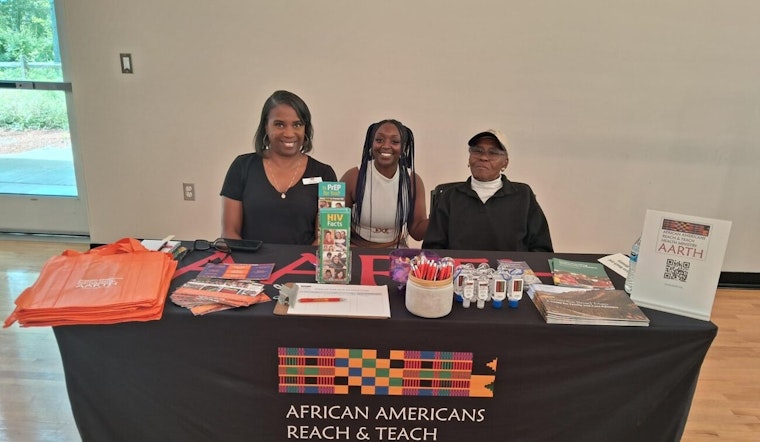
San Francisco's African American Reach & Teach Health Ministry (AARTH) has been a beacon for health education and advocacy in the local black community since its inception in 2002. The organization focuses on tackling health disparities that affect people of African descent and other marginalized groups by providing educational programs, training, and resources. According to a recent feature by the Seattle Human Services, AARTH was established by two Seattle Ministers, born out of an urgent need to address the HIV/AIDS crisis within African American communities.
Partnering with Seattle Human Services seems pivotal for AARTH to expand its reach. This collaboration nets essential funding and support, allowing the organization to offer a wider array of services and leave a stronger impact. AARTH has grown beyond its HIV/AIDS focus, now offering courses such as Mental Health First Aid and Chronic Disease Self-Management, as part of a broader health and wellness curriculum. Through this partnership, with the help of Seattle Human Services, AARTH has made its presence felt in six states: Washington, Oregon, Utah, Colorado, Alaska, and Wyoming.
Community-led work, funded by Seattle taxpayers, is synonymous with tailor-made solutions to the health issues plaguing the local population. AARTH programs, as told by Seattle Human Services, aim to bridge healthcare access gaps, improve health literacy, and advocate for preventive care. AARTH's approach to health education is culturally sensitive, ensuring that the people they serve achieve better health outcomes. This localized focus is a mainstay of their strategy to reduce the discrepancies in health experienced by people of color living in the region.
One standout success story revolved around a mental health support program that, backed by Seattle Human Services, helped a black community member grappling with depression and anxiety. According to the same feature, the client had access to culturally sensitive therapy and peer support, leading to a significant improvement in mental health. This is just one example of how targeted interventions can uplift individuals and by extension, fortify the community fabric.
The staff's driving force behind AARTH is their unwavering dedication to social justice, health equity, and the community's overall well-being. A deeply-rooted passion to address health disparities coupled with the transformative impact of their programs keeps the team's momentum. The staff's inspiration comes from their work's tangible effects, their belief in community-led initiatives, and the support of partners and community members, as they strive to shape a more equitable health landscape. "This is heart work for us all," the AARTH team stands committed.


