

























































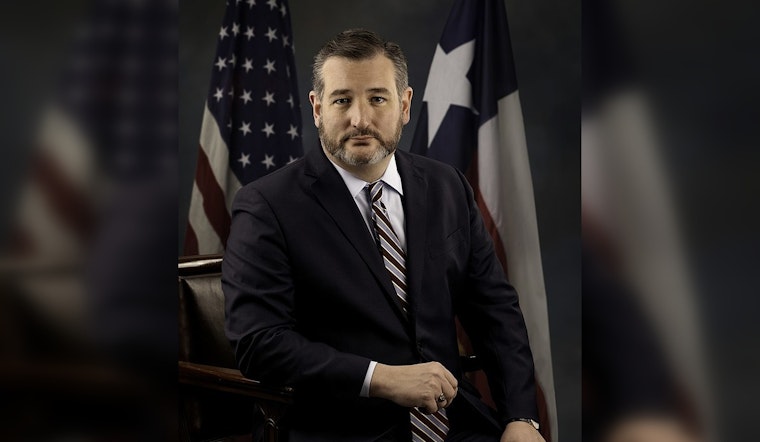
In a heated Senate hearing yesterday, Sen. Ted Cruz clashed with Ronald Rowe, acting director of the Secret Service, over the assertion that former President Donald Trump was denied extra security at a Pennsylvania campaign rally that led to an assassination attempt. The Texas Tribune reported Cruz's accusations that the decision was politically motivated, claiming, "I believe the Secret Service leadership made a political decision to deny these requests." This implied interference from the Biden administration, a point Cruz has been keen to thoroughly to investigate.
Rowe defended the agency, stating "Secret Service agents are not political," in response to Cruz's comments during the joint hearing of the Senate Judiciary and Homeland Security committees. The confrontation continued as Cruz pressed on the political influence in Secret Service leadership appointments. The Texas Tribune detailed an earlier event where Trump's ear was grazed by a bullet, which triggered the bipartisan criticism of the Secret Service's ability to protect their charge.
Kim Cheatle, former director of the Secret Service, stepped down after facing pressure for the lapse in security that allowed a gunman to almost fatally shoot Trump. The lapse has been described by the agency as one of the largest since the Reagan assassination attempt in 1981. The House has opened a bipartisan inquiry, with Rep. Pat Fallon named as the sole Texan on the panel, according to the Texas Tribune.
During the hearing, Cruz highlighted efforts to diversify the Secret Service, suggesting they might distract from the core mission. According to a podcast released by Cruz, he attacked an initiative by the agency to have 30% of agents be women by 2030. Cruz said, "Well, this is yet another manifestation of what we've seen throughout the Biden administration, which is an obsessive focus on bean counting, on quotas, on DEI at the expense of the mission." In a statement obtained by CNN, Secret Service spokesperson Anthony Guglielmi defended the qualifications of female officers and criticized the baseless assertions of their unworthiness based on gender.
Cruz also demanded from Rowe a full accounting of Trump’s security detail requests and how they were handled, which Rowe agreed to provide. Further, when Cruz inquired about the size of Trump’s security detail relative to President Biden's, Rowe acknowledged a sitting president travels with more personnel, citing the "national command authority to launch a nuclear strike" as a key differentiator. Rowe committed to provide Cruz with a more detailed breakdown of the personnel for both Trump and Biden, during the sessions marked with strained exchanges.
Sen. John Cornyn questioned how such a respected agency could rely on local police forces that couldn't possibly meet the high standards of the Secret Service. Rowe admitted to a failure in challenging assumptions and assured that lessons have been learned, as reported by the Texas Tribune. The dialogue in Congress continues as officials push for answers in this notable breakdown of security protocol.





