

























































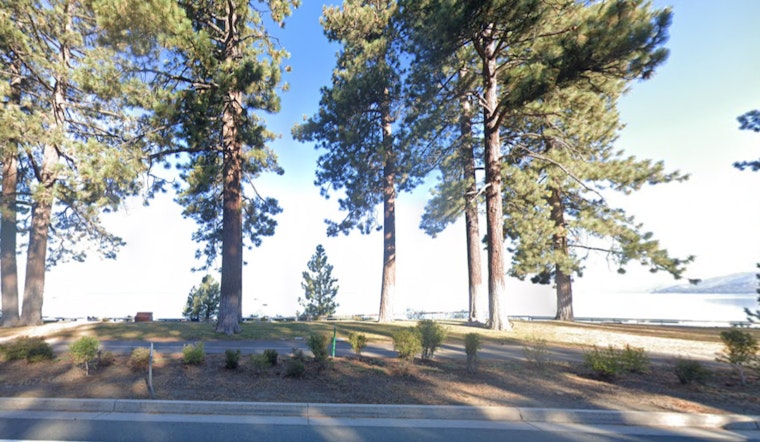
Concerns over potential toxic algae blooms at South Lake Tahoe are on the rise following a viral social media post about a dog's tragic death. The dog, named Cora, is believed to have died from exposure to harmful algae after swimming in popular recreational spots, including El Dorado Beach and Nevada Beach. A video shared by the dog's owner suggesting that blue-green algae poisoning was the cause has escalated the situation, leading to increased vigilance and testing by state officials.
As a response to the suspicions raised by the viral video, warning signs have been installed at El Dorado Beach as a precautionary measure by the City of South Lake Tahoe. Jeff Cowen with the Tahoe Regional Planning Agency emphasized the importance of being watchful: "When it blooms in a high enough concentration, cyanobacteria form, that bacteria doesn't always reach toxicity levels that are harmful." Cowen told ABC10. "Everyone needs to be careful and follow public health advisories, but Lake Tahoe is generally a safe and healthy place to recreate."
Officials at the Lahontan Regional Water Quality Control Board conducted a site check early yesterday, which did not reveal any observable algae presence at El Dorado Beach. Nonetheless, given the nature of the potential threat, water samples have been collected and the results are expected to be released as early as Friday. In the meantime, the public is being urged by senior Environmental Scientist Mary Fiore-Wagner to report any new bloom sightings, despite the previous assessments showing no harmful blooms at other nearby beaches as of June 11.
The Nevada Division of Environmental Protection is also conducting tests on the Nevada side, in an effort to manage the environmental and public health risk. According to the Tahoe Daily Tribune, the area has a history of seasonal algae problems, exacerbated by factors such as low flows, stagnant water, and increased sun exposure that create ideal conditions for these blooms. "It’s very tough hearing about people’s pets being harmed and we want everyone to stay healthy," Cowen expressed on Tahoe Daily Tribune, reaffirming the natural occurrence of blue-green algae in Lake Tahoe's ecosystem.



